

If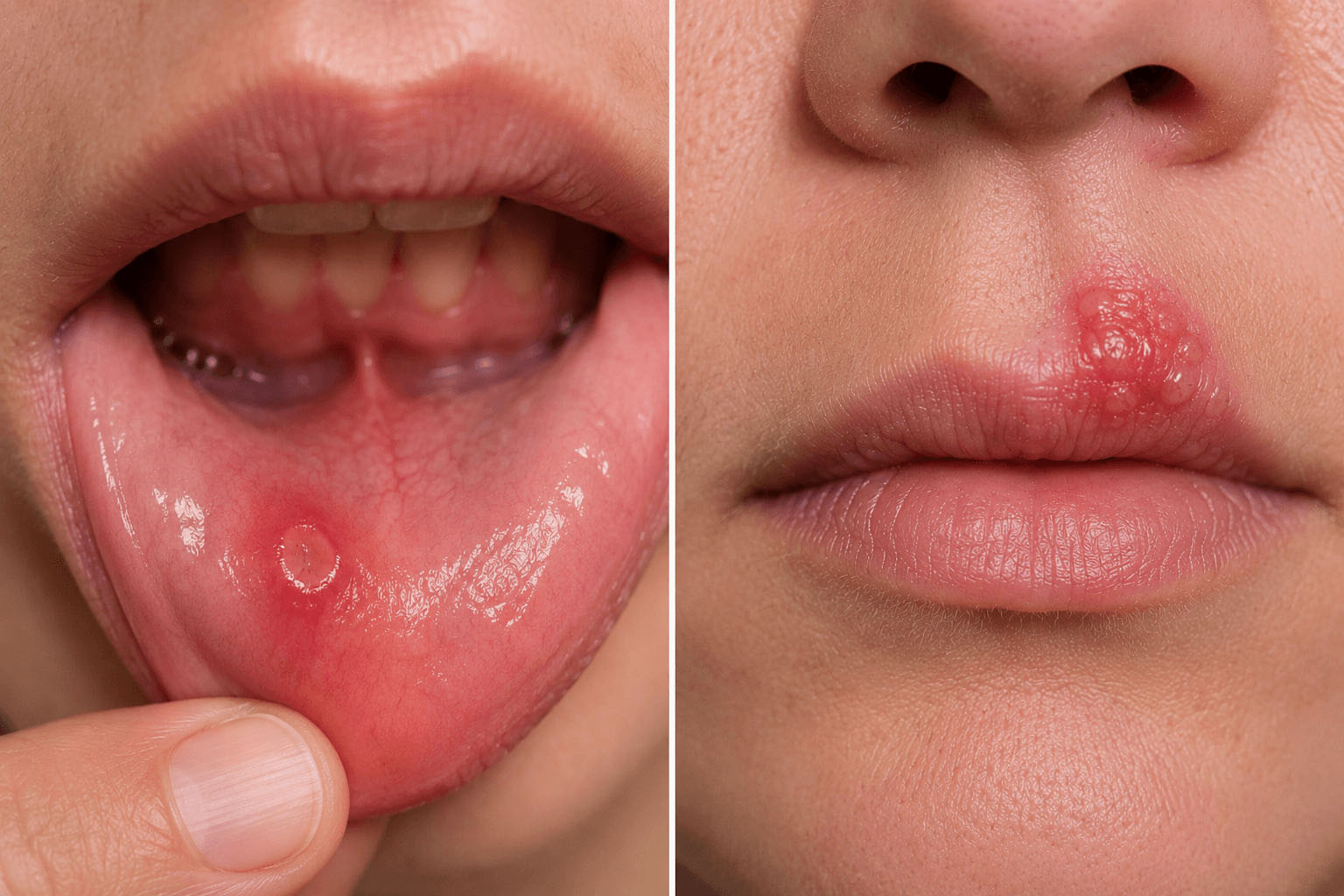 you have discovered a painful spot, you are likely looking for answers on how to identify it. Many patients ask us about the difference between a canker sore vs cold sore, as canker sores and cold sores are two of the most common oral conditions. While they are often confused, they have distinct causes, contagion risks, and healing processes. Knowing how to tell the difference is the first step in finding relief.
Canker Sore vs Cold Sore: Key Differences
To identify your condition, the most important indicators are the location and whether the lesion is contagious. A canker sore is a non-contagious ulcer that typically forms inside the mouth on soft tissues like the tongue, cheeks, or inner lips.
A cold sore is a viral lesion that typically appears on the outside of the mouth, often around the lips or under the nose, though less commonly, they can appear inside the mouth on firm tissues like the gums or hard palate. Recognising these visual and locational cues is essential for determining the right treatment options.
Understanding canker sores and contagion facts
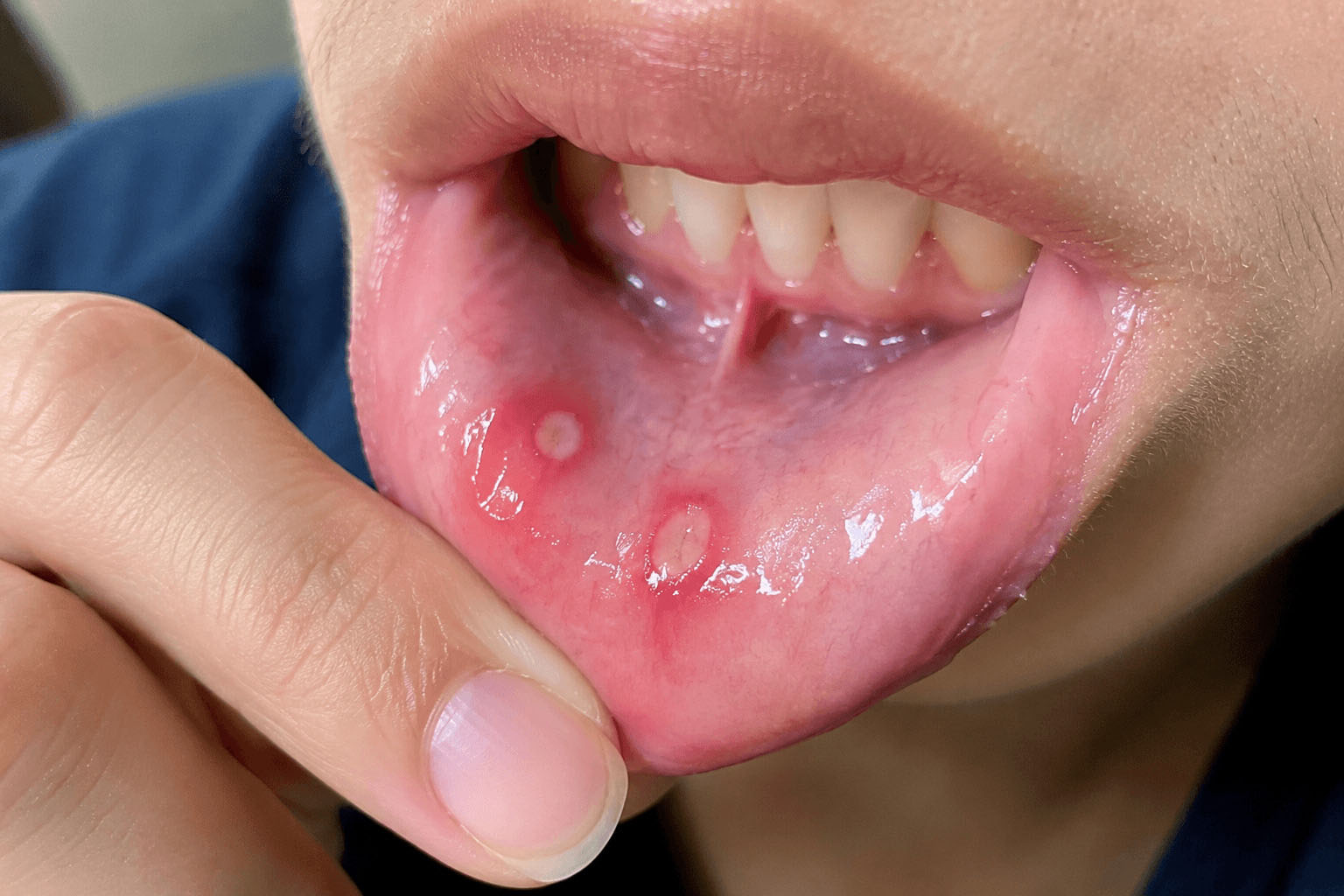
Canker sores typically appear as small, round or oval lesions with a white or yellow centre and a distinctive red border. They usually heal on their own within one to two weeks. One of the most important things to know is that canker sores are not caused by a virus; you cannot pass them to others through kissing or sharing utensils.
Why do canker sores form?
The exact cause of canker sores is complex, but they are known as aphthous ulcers. They are not linked to the herpes simplex virus (HSV-1). Instead, when canker sores form, they are often triggered by:
- Minor trauma to the tissue, such as accidental biting or irritation from dental work.
- Stress, fatigue, or hormonal fluctuations.
- Sensitivity to certain acidic foods or chemicals in toothpaste.
Understanding cold sores: the virus and symptoms
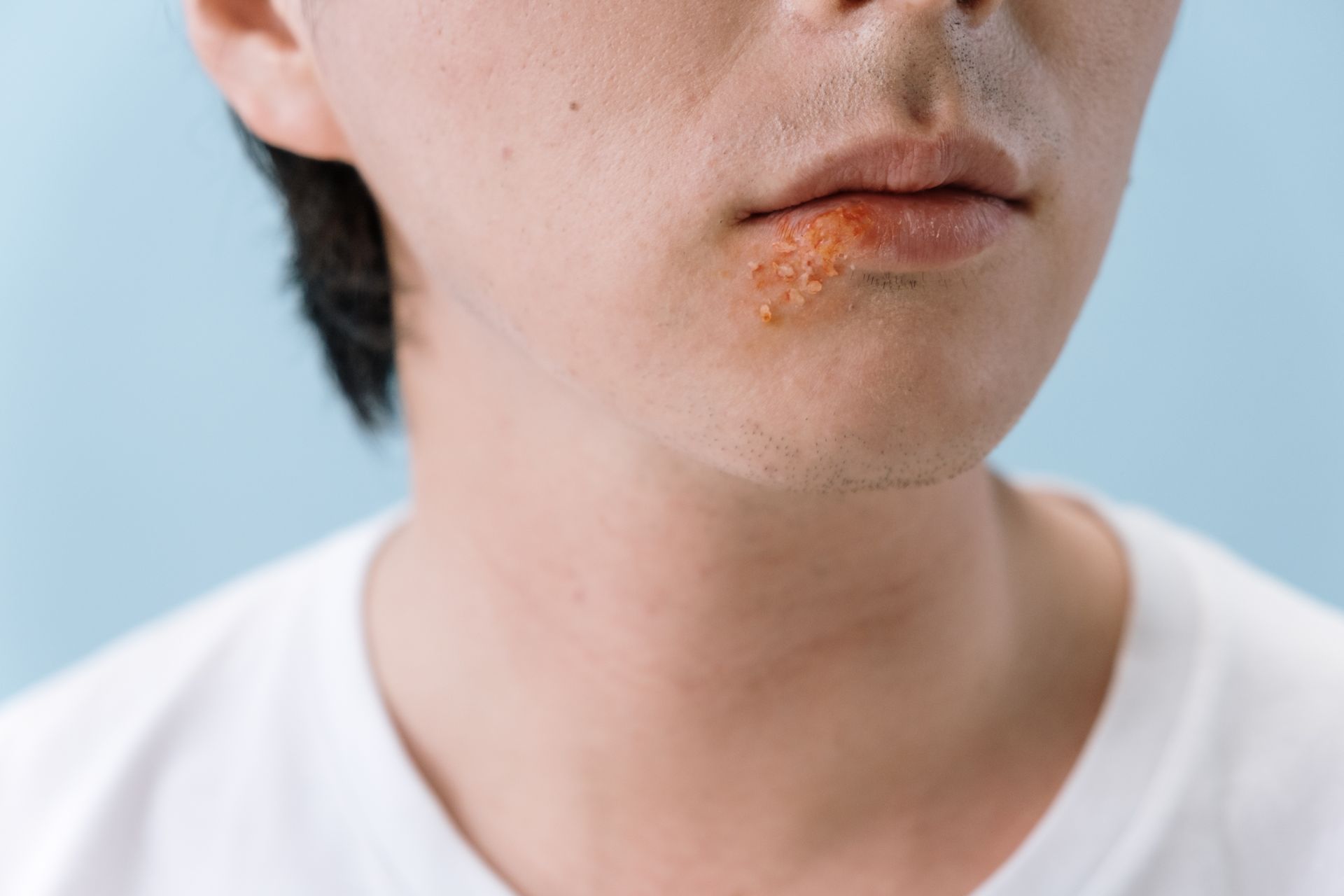
A cold sore, also known as a fever blister, is a viral infection caused by the herpes simplex virus (HSV-1). Cold sores are caused by contact with this virus, making them most contagious when blisters are present, open, or weeping.
How to identify a cold sore
Cold sores typically follow a specific pattern. Symptoms of a cold sore often begin with a tingling or burning sensation around your lips before a cluster of fluid-filled blisters forms. These fluid-filled blisters are a hallmark sign of the infection.
Cold sores may break open, weep, and eventually crust over. It is vital to avoid popping a cold sore, as this can spread the HSV-1 virus to other areas of your face. After the initial infection, the virus remains dormant in the body and can reactivate, leading to recurring cold sore outbreaks throughout your life.
When to worry and seek professional help
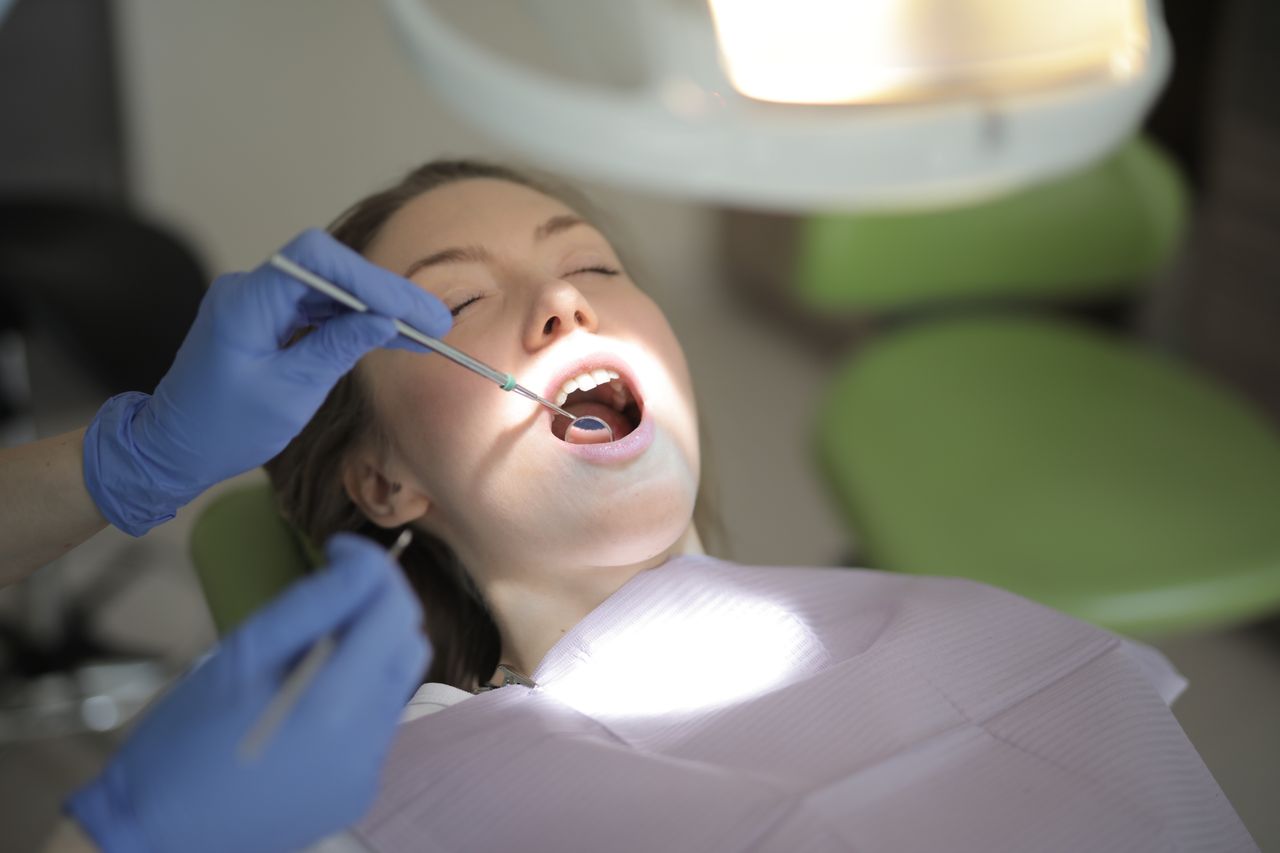
While most painful sores usually require treatment limited to simple home care, you should see a dentist if the lesion is exceptionally large, spreads, or persists beyond two weeks without healing. It is also important to seek professional attention if you experience difficulty swallowing, an unexplained fever, or if the pain becomes severe enough to interfere with your ability to eat or drink.
Additionally, if you find yourself suffering from frequent, recurring outbreaks, a professional assessment can help identify specific triggers or underlying health factors. A dentist can provide a proper diagnosis and offer effective management strategies tailored to your needs, ensuring you do not have to endure unnecessary discomfort.
Managing canker sores vs cold sores
If you have a canker sore or a cold sore, the management differs significantly. Unlike cold sores, which are viral, canker sores do not respond to antiviral medications. For canker sores, focus on keeping the area clean with a mild saltwater rinse or dentist-recommended antiseptic mouthwash, and use over-the-counter gels.
For cold sores, antiviral medications and over-the-counter topical creams can help reduce duration. You may also use a soothing lip balm to keep the area protected.
Your path to oral comfort
Knowing the difference between a canker sore and a cold sore is the first step toward feeling better. By identifying where the sore is and what triggers it, you can better manage your comfort. While most minor sores heal on their own, you should always monitor any that are painful or won’t go away.
Here at Optimal Dental Care, we understand that a mouth sore can be disruptive to your daily life. If you are unsure about the nature of a sore or if it does not seem to be healing, obtaining a professional diagnosis is the most effective way to ensure you receive the right care. Whether you are dealing with a recurring canker sore or a cold sore outbreak, we are here to provide evidence-based guidance to help you find relief.
If a sore is causing you concern, please feel free to reach out to our team for a professional assessment:
- Location: 128 Glen Osmond Road, Parkside SA 5063
- Phone: (08) 8271 6322
Frequently asked questions
How can I tell if my mouth sore is contagious?
A sore is likely contagious if it presents as a fluid-filled blister on or around the lips, as this indicates a viral cold sore. Conversely, lesions occurring strictly inside the mouth that are not viral, such as canker sores, are not contagious and cannot be spread through contact or shared utensils.
Why do I keep getting cold sores in the same spot?
Cold sores recur in the same location because the underlying herpes simplex virus remains dormant in nearby nerve cells after your initial infection. When triggered by factors like stress, fatigue, or sun exposure, the virus travels back down the nerve pathway to erupt in the same area on your skin.
Can toothpaste ingredients trigger a canker sore?
Yes, certain ingredients in toothpaste, specifically sodium lauryl sulfate, can trigger or irritate canker sores in sensitive individuals. Switching to a sulfate-free or natural toothpaste may help reduce the frequency of these painful ulcers. If you suffer from frequent outbreaks, track your product ingredients to identify any potential personal triggers.
Does diet play a role in developing mouth sores?
Yes, acidic, spicy, or crunchy foods can aggravate existing sores or potentially trigger a flare-up in vulnerable tissues. High-acid foods like citrus fruits and tomatoes may cause enough irritation to initiate a canker sore. Maintaining a balanced diet and staying hydrated can support better oral health and tissue resilience.
Should I use hydrogen peroxide on a canker sore?
A mild saltwater rinse or dentist-recommended antiseptic mouthwash is generally the safest first-line option for keeping a canker sore clean. If you do use hydrogen peroxide, ensure it is properly diluted (1.5%) and limit it to short-term use only, as overuse can irritate the delicate oral tissue. Always consult your dentist before applying any rinse to an open sore.
How do I stop a cold sore from getting worse?
At the first sign of a tingling sensation, apply an over-the-counter antiviral cream to help potentially shorten the healing time. Avoid touching, picking, or popping the blister, as this spreads the virus to other areas and increases the risk of a secondary bacterial infection. Keep the area clean and dry.
Is it safe to share drinks if I have a canker sore?
Sharing drinks or utensils does not pose a transmission risk if you have a canker sore, as these are not contagious and are not caused by a virus. However, you should strictly avoid sharing personal items if you have a cold sore, as the herpes simplex virus is easily transmitted through saliva.
When does a mouth sore require a visit to the dentist?
You should see a dentist if your sore persists for longer than two weeks, spreads, or is accompanied by a fever. Additionally, seek professional advice if the sore is exceptionally painful or interferes with your ability to eat or drink properly, as this may indicate a need for prescription-strength treatment.