

Choosing between metal vs clear braces is one of the most important decisions you’ll make when straightening your teeth. The right type of orthodontic care can improve confidence, comfort, and long-term oral health. The two most common fixed options are traditional metal braces and clear ceramic braces, and each suits different needs.
This metal vs clear braces comparison helps families understand how each treatment option works, what it costs, and which one may help you achieve a straighter smile with confidence.
What are metal braces?
Metal braces, also called traditional braces, are the most established orthodontic treatment. They use metal brackets, brackets and wires, and elastic bands to gently move teeth into position over time.
Modern traditional metal braces are smaller and more comfortable than older designs. They remain the most reliable option for complex cases and are widely used by orthodontics specialists across Australia.
It is often preferred for children, teens, and adults with moderate to severe alignment issues.
What are clear braces?
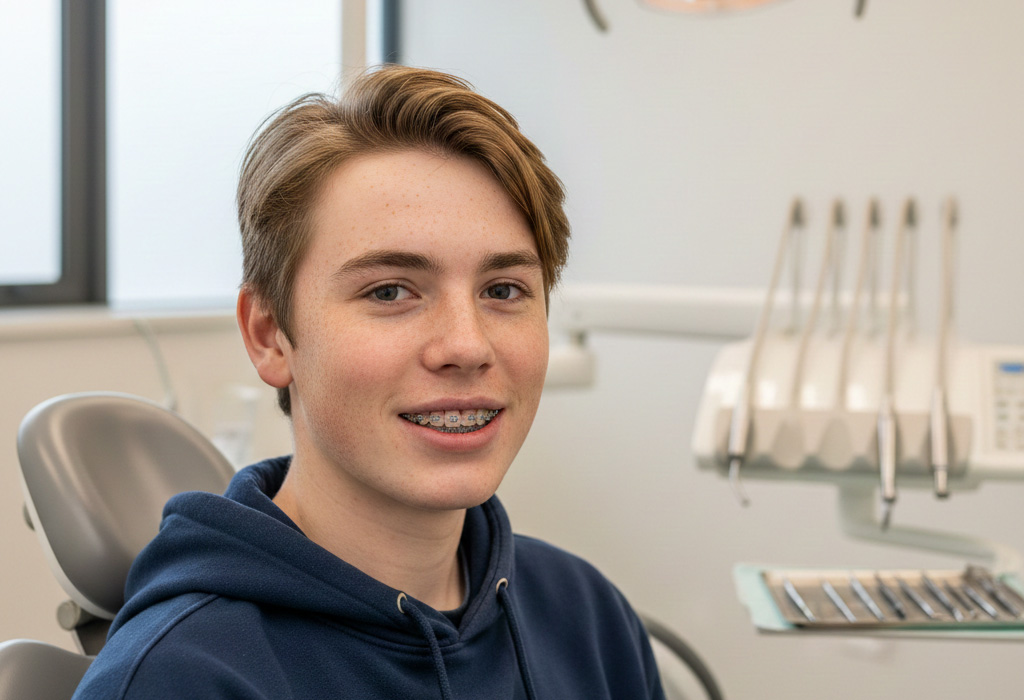
Clear braces work in the same way as metal braces, but they use clear ceramic brackets designed to blend in with your natural teeth. This makes them a popular choice for adults who want to straighten their teeth discreetly.
Clear braces are different from clear aligners like Invisalign. Aligners are removable, while clear braces are fixed and adjusted by an orthodontist or dentist during regular visits.
It is typically suited for adults and teens with mild to moderate orthodontic concerns
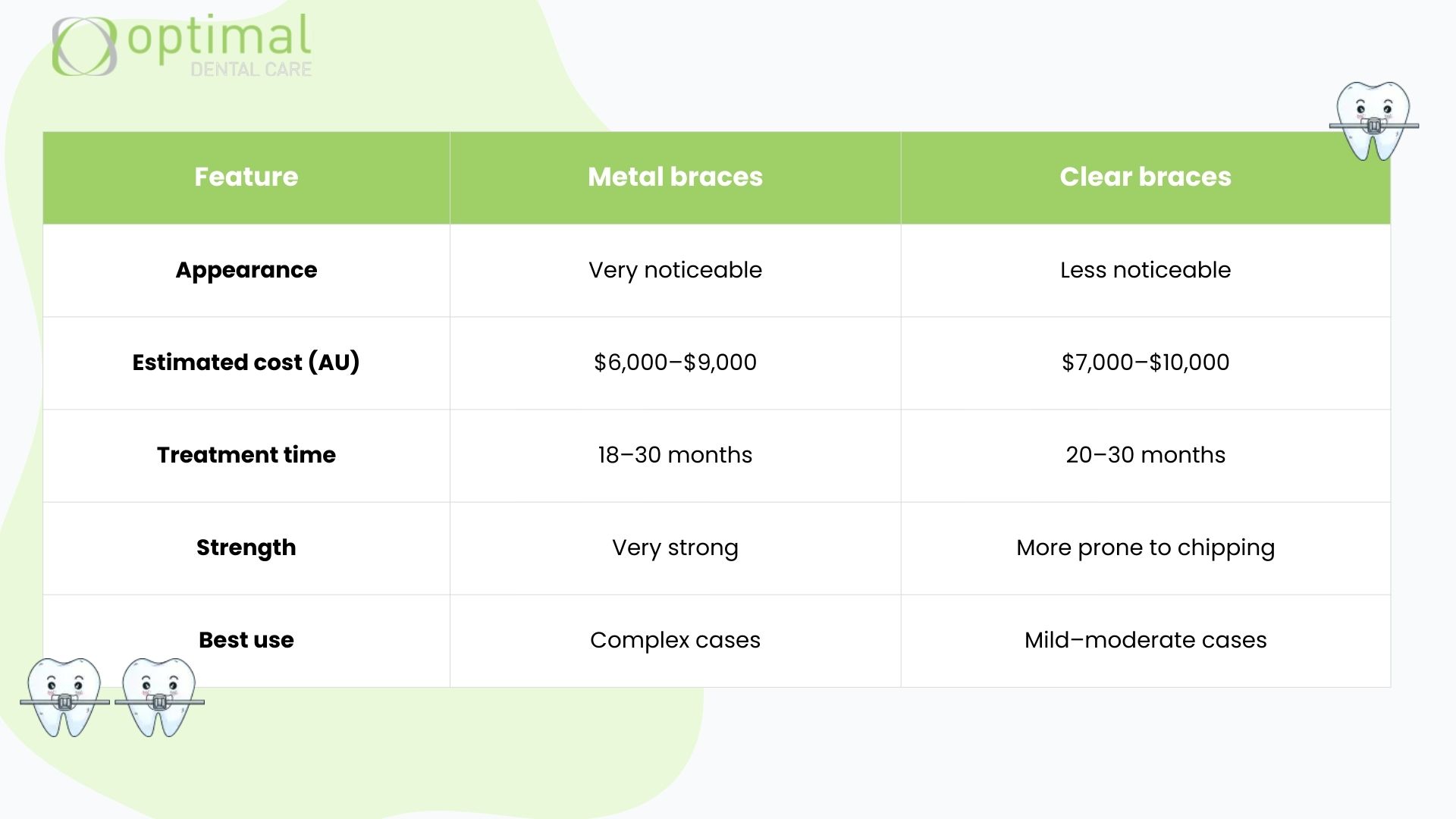
Metal vs clear braces side-by-side comparison
Appearance & aesthetics
Metal braces are easy to see, though many patients enjoy choosing coloured bands. Clear braces use clear or ceramic materials, making them a better option for professionals or adults wanting a subtle look.
Cost comparison in Australia
- Metal braces estimated cost in Australia: $6,000–$9,000
- Clear / ceramic braces estimated cost in Australia: $7,000–$10,000
Costs depend on how long treatment takes and how complex your case is. Most private health funds provide some orthodontic cover. Medicare generally does not cover braces, but this can be discussed during your consultation.
Treatment duration
Metal braces are usually faster, especially when correcting crowding or bite problems. Clear braces may take slightly longer because ceramic brackets create more friction during tooth movement.
Comfort & discomfort
Both braces types cause mild soreness after adjustments. Many patients find clear braces feel gentler at first, but comfort varies. Regardless of choice, braces are made to move teeth safely and gradually.
Metal Braces Pros and Cons
Metal braces are the most established conventional braces in orthodontics. They are made using strong stainless steel materials, which is why they’ve been trusted for decades.
Pros
- More affordable than most other fixed orthodontic options
- Faster for complex cases, especially where significant tooth movement is needed
- Very durable, as the brackets are made from metal
- Proven results for decades, with predictable outcomes
- Can handle severe orthodontic issues, including bite problems and crowding
- Suitable across a wide range of orthodontic needs
Cons
- Highly visible, as metal braces are more noticeable when smiling
- May irritate cheeks and lips, particularly in the early weeks
- Dietary restrictions apply to avoid damaging brackets or wires
- Cleaning requires effort, as food can build up around brackets
Clear braces pros and cons
Clear braces are a popular treatment option for adults who want a discreet alternative. Clear braces are made from ceramic, using tooth-coloured ceramic brackets that blend in with natural teeth.
Pros
- Less noticeable compared to metal, making them ideal for work or social settings
- Aesthetic and professional, offering a subtle orthodontic solution
- Popular with adult patients choosing between clear and metal braces
- Help many patients feel confident during treatment
- Provide similar results compared to metal braces for mild to moderate cases
Cons
- Higher cost, as clear braces are often more expensive than metal braces
- Longer treatment time in some cases due to increased friction
- Ligatures can stain if oral hygiene is poor, especially around ceramic brackets
- Less suitable for complex cases, as they are more prone to chipping
Which type of braces is right for you?
Choose metal braces if:
Budget is a priority, faster results are important, durability matters, and visibility isn’t a concern. They’re a dependable option for managing more complex orthodontic issues and are designed to handle significant tooth movement while delivering consistent, long-term results.
Choose clear braces if:
Appearance matters to you, you’re comfortable managing a little extra care, your orthodontic needs are mild to moderate, and you prefer a more subtle look while straightening your teeth.
Metal vs clear braces: Treatment effectiveness
Both braces types are effective for achieving a straighter smile. Metal braces are preferred for severe crowding, overbites, and jaw alignment. Clear braces work well for cosmetic alignment and moderate bite issues when used correctly.
Maintenance and care requirements
Metal braces maintenance
Metal braces require consistent daily care to keep teeth and gums healthy throughout treatment. Brushing and flossing carefully helps prevent plaque build-up around the brackets and wires, while avoiding hard or sticky foods reduces the risk of damage. Regular adjustment appointments are also important to ensure your braces continue working effectively and your treatment stays on track.
Clear braces maintenance
Clear braces need a bit of extra attention, as the ceramic brackets can stain if oral hygiene slips. Cleaning carefully after meals helps maintain their appearance, and gentle handling reduces the risk of damage. If a bracket does break or come loose, it may need replacement to avoid delaying treatment.
Note that both types typically require retainers after treatment to maintain results.
Personalised orthodontics care
Choosing between metal and clear braces isn’t just about appearance or cost, it’s about finding the option that suits your teeth, lifestyle, and comfort level.
At Optimal Dental Care, we take the time to assess your orthodontic needs and explain whether metal braces or clear braces are likely to give you the best results. We’ll guide you through the differences in treatment time, maintenance, and suitability based on the complexity of your case, so you can make a confident decision.
If you’d like personalised guidance on whether metal or clear braces are right for you, we’re here to help.
You can book a consultation with us:
- Location: 128 Glen Osmond Road, Parkside SA 5063
- Phone: (08) 8271 6322
Frequently asked questions
Do metal braces move teeth faster than ceramic braces?
Yes, metal braces typically move teeth faster due to lower friction between the archwire and stainless steel brackets. Metal brackets allow orthodontists to apply stronger forces and make more aggressive adjustments, especially for complex cases requiring significant tooth movement. Ceramic braces may take several months longer because their material creates more friction along the wire.
Can ceramic braces stain or yellow during treatment?
The ceramic brackets themselves won’t stain, but the elastic ligatures holding the archwire can discolor within weeks. Dark foods like coffee, tea, red wine, and curries cause staining, as do smoking and poor oral hygiene. These elastic ties are replaced at every appointment, instantly restoring brightness.
What should you do if a ceramic bracket breaks?
Contact your orthodontist to schedule a repair appointment, which typically takes 5–10 minutes. The broken bracket is removed, the tooth is cleaned and prepared, and a new bracket is bonded in place. Occasional breakages don’t affect treatment, but repeated damage can slow progress and may extend your treatment timeline.
Do braces cause permanent bone loss in your jaw?
No, braces do not cause permanent bone loss when managed by a qualified orthodontist. Bone remodeling during treatment is normal and fully reversible, bone temporarily resorbs on one side of the tooth while new bone forms on the other, allowing safe tooth movement. Any bone changes after treatment completion return to pre-treatment density.
Can children get ceramic braces, or are they only for adults?
Children and teens can wear ceramic braces, but they’re usually recommended for adults. Ceramic brackets are more fragile than metal, so kids who eat hard or sticky foods have higher breakage risk. Ceramic braces work well for self-conscious teens who prefer a less visible appearance while receiving the full straightening power of fixed braces.
Are ceramic braces more comfortable than metal braces?
Ceramic and metal braces offer similar comfort levels, though many patients report ceramic braces feel slightly gentler initially because their rounded corners reduce irritation. Both cause mild soreness after adjustments that typically subsides within days. Comfort depends more on adjustment force and individual tolerance than bracket material.