

When deciding how to restore a damaged or missing tooth, many patients compare dental crown vs dental implant to understand which treatment may be more suitable. Both options are widely used in modern dentistry to restore function and appearance. The right choice often depends on whether the natural tooth can still be preserved.
A dental crown strengthens and protects a damaged tooth that still has a healthy root. A dental implant replaces the entire tooth structure, including the root, making it a common option for missing teeth. Understanding how these treatments differ can help patients evaluate which approach may better suit their oral health situation.
What are dental implants?
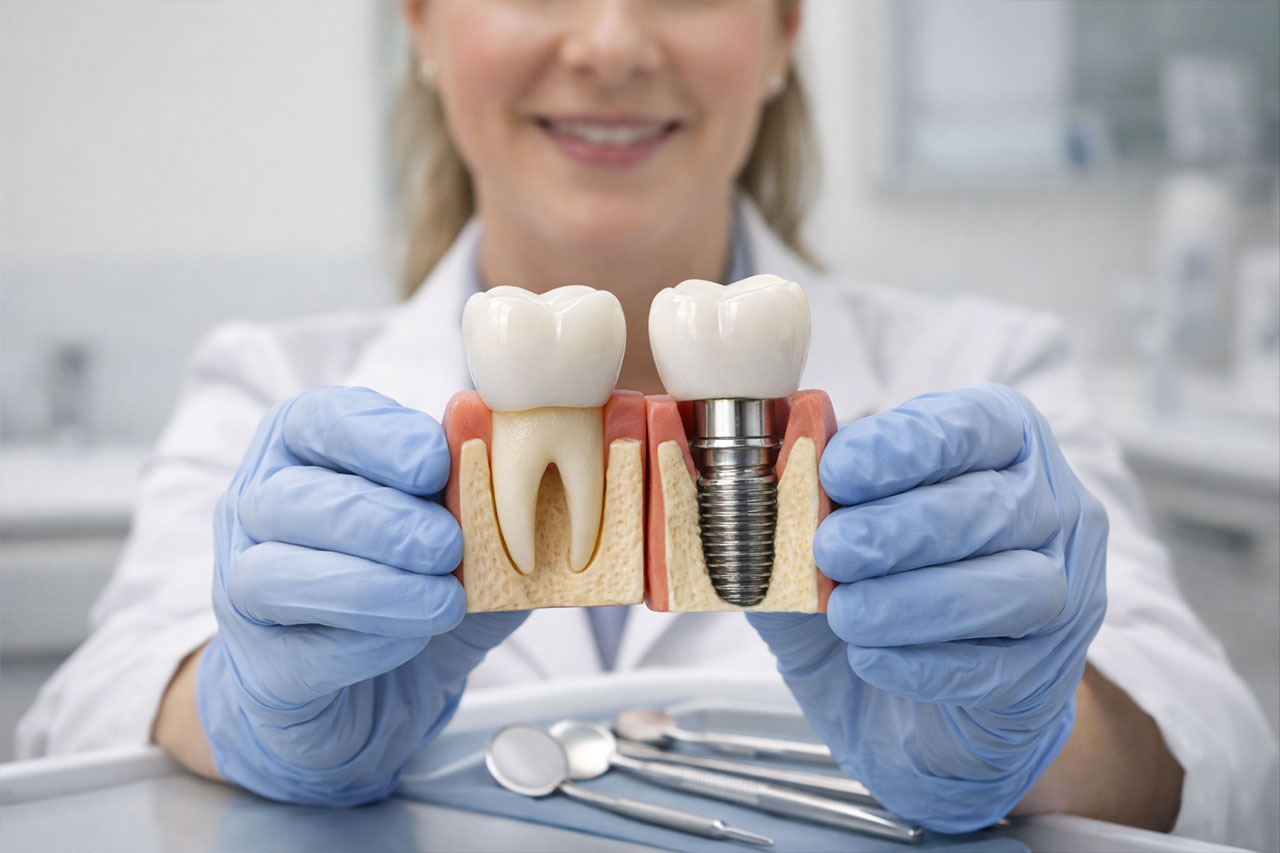
A dental implant replaces a missing tooth by placing a titanium post into the jawbone, which acts as an artificial tooth root. Once the implant has healed and integrated with the bone, a crown is attached to restore the visible portion of the tooth. This combination allows the replacement tooth to function similarly to natural teeth.
Dental implants are typically recommended when a tooth cannot be saved or has already been lost. They are often used in cosmetic dentistry treatments that aim to restore both the function and appearance of a smile. According to the Australian Dental Association, implants are considered a predictable long-term solution for replacing missing teeth.
What are dental crowns?
A dental crown restores a damaged tooth by covering and protecting the remaining tooth structure. Unlike implants, crowns rely on the existing tooth root, meaning the natural tooth must still be present. This makes crowns a common option when the tooth can still be preserved.
Dentists often recommend crowns for teeth weakened by decay, fractures, or large fillings. They are also commonly used after root canal treatment to strengthen and protect the tooth. Crowns are custom-made in a dental lab, typically using porcelain or ceramic materials designed to match surrounding teeth.
Pros and cons of dental implants and crowns
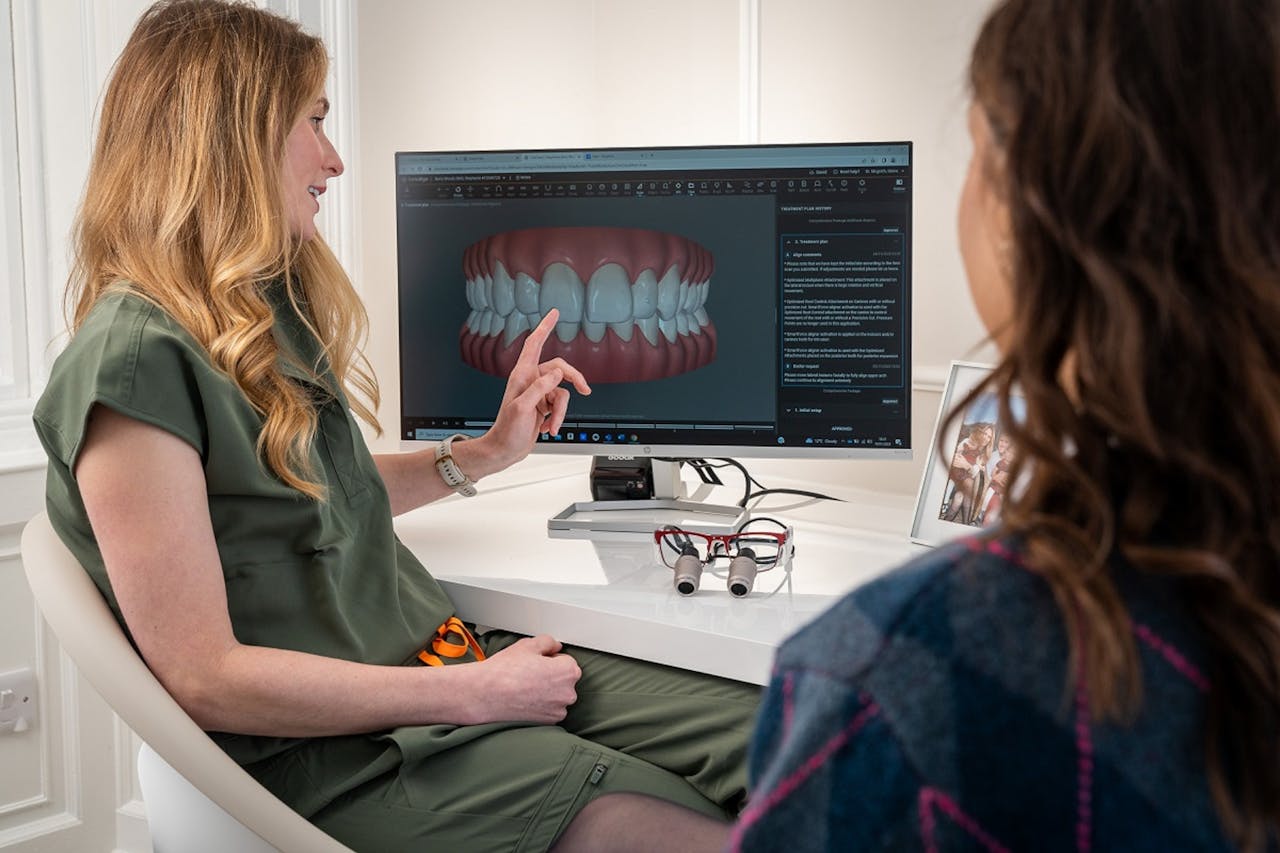
Both dental implants and dental crowns are effective restorative treatments, but they address different dental situations. Implants are typically used to replace missing teeth, while crowns are used to restore damaged teeth that can still be preserved.
Dental implants
Dental implants provide a stable and long-term solution when a tooth is missing. By replacing the tooth root, they support a crown that functions similarly to a natural tooth.
Pros
Dental implants offer several benefits for long-term tooth replacement.
- Replace the entire tooth structure
- Help maintain jawbone density
- Do not rely on neighbouring teeth
- Can last 20 years or longer with proper care
- Provide a natural look and chewing function
Cons
Despite their durability, dental implants may not be suitable for every patient.
- Require a surgical procedure
- Higher upfront cost than crowns
- A healing period is needed before crown placement
- May require sufficient bone density for support
Dental crowns
Dental crowns are commonly used to strengthen and restore teeth that are damaged but still have a healthy root. They reinforce the remaining tooth while restoring its shape and function.
Pros
Crowns remain one of the most widely used dental restorations.
- Protect and strengthen weakened teeth
- Quicker treatment compared with implants
- Less invasive than implant surgery
- Improve the appearance of damaged teeth
Cons
Crowns are effective for restoration but have certain limitations.
- Do not replace the tooth root
- May need replacement after 10–15 years or longer
- Require reshaping of the existing tooth
Dental implant vs crown cost: which is more affordable?
The cost of dental implants vs crowns varies depending on the complexity of the procedure and the dental clinic. Dental implants involve a higher initial investment, but they often last longer than crowns. Crowns generally require replacement over time, while implants can last decades with proper oral hygiene and regular dental check-ups.
Typical costs in Australia:
| Treatment | Average Cost |
| Dental crown | usually $1,500–$2,500 AUD, but in complex or premium cases can be higher. |
| Dental implant (including crown) | typically $3,000–$6,000 AUD, sometimes up to $7,000 depending on complexity and location. |
Crowns or implants for front teeth: which is more suitable?
For front teeth, the choice between a crown or implant depends on whether the natural tooth can still be preserved. If the tooth root remains healthy, a dental crown is usually preferred because it maintains the natural tooth structure.
However, when the tooth is missing or severely damaged, a dental implant with a crown can provide a natural-looking replacement. Modern dental implants are designed to closely match surrounding teeth, making them suitable for visible areas of the mouth.
Broken tooth: crown or implant?
When dealing with a broken tooth, dentists usually assess how much of the natural tooth structure remains.
A dental crown may be used if the tooth root is still healthy and enough tooth structure remains to support the crown.
If the tooth is severely damaged or cannot be restored, the dentist may recommend extracting the tooth and replacing it with a dental implant and crown.
Missing teeth: Is a crown or an implant better?
When a tooth is missing, bridges and partial dentures are also options, though implants are usually the ideal single‑tooth replacement when feasible.
This is because a crown requires an existing tooth structure for support.
Dental implants replace the entire tooth, including the root, which helps maintain bone structure and restore full chewing function.
Choosing between a dental crown and a dental implant
Deciding between a dental crown and a dental implant depends on the condition of the tooth and the type of restoration required. A crown is typically used to strengthen a damaged tooth with a healthy root, while an implant replaces a tooth that is missing or cannot be saved. Your dentist will usually evaluate the tooth structure, surrounding bone, and overall oral health before recommending the most suitable option.
The choice is not only based on treatment time or cost. Long-term function, durability, and how the restoration works with surrounding teeth are also important considerations. Understanding these factors can help patients feel more confident when deciding between a crown and a dental implant.
At Optimal Dental Care, our dental team takes time to evaluate each patient’s condition and explain when a dental crown, dental implant, or another restorative option may be the most suitable approach. Patients are guided through the differences in treatment process, durability, and suitability based on their individual dental needs.
If you would like personalised advice on whether a dental crown or dental implant may be appropriate for your situation, you can arrange a consultation with our team.
- Location: 128 Glen Osmond Road, Parkside SA 5063
- Phone: (08) 8271 6322
Frequently asked questions
Which lasts longer, a dental crown or a dental implant?
Dental implants usually last longer than dental crowns. With proper oral hygiene and regular dental check-ups, implants can last 20 years or more and sometimes even a lifetime. Dental crowns typically last around 10 to 15 years before they may need replacement due to wear or damage.
Is a dental implant better than a crown?
A dental implant is generally better when a tooth is missing because it replaces the entire tooth, including the root. A dental crown is more suitable for restoring a damaged tooth that still has a healthy root. The best option depends on the condition of the tooth and the surrounding bone.
When to get a dental crown instead of an implant?
A dental crown is recommended when the natural tooth can still be preserved. If the tooth root remains healthy but the visible part of the tooth is damaged or weakened, a crown can restore strength and function. Dentists usually prioritise preserving natural teeth whenever possible.
When is a dental implant recommended?
A dental implant is recommended when a tooth is missing or cannot be restored with a crown. The implant replaces the tooth root and supports a crown that acts as the visible tooth. This approach helps restore chewing ability and maintain jawbone structure.
How long does it take to get a dental implant compared to a crown?
Dental crowns are typically completed within two dental visits over a few weeks. Dental implants take longer because the implant must fuse with the jawbone before the crown is attached. This healing process, known as osseointegration, usually takes three to six months.
Are dental implants more expensive than crowns in Australia?
Yes, dental implants generally cost more than crowns in Australia. A dental crown usually costs about $1,500 to $3,000 AUD, while a dental implant with a crown typically ranges from $4,000 to $7,000 AUD. However, implants may last longer and require fewer replacements over time.
Can a dental crown replace a missing tooth?
A dental crown alone cannot replace a missing tooth because it requires an existing tooth structure for support. When a tooth is missing, dentists usually recommend a dental implant or a dental bridge. These treatments restore the gap and improve chewing function.
Do dental implants look and feel like natural teeth?
Dental implants are designed to look and function like natural teeth. The implant replaces the tooth root while the crown forms the visible part of the tooth. When properly matched to surrounding teeth, implant crowns blend naturally with the smile.