

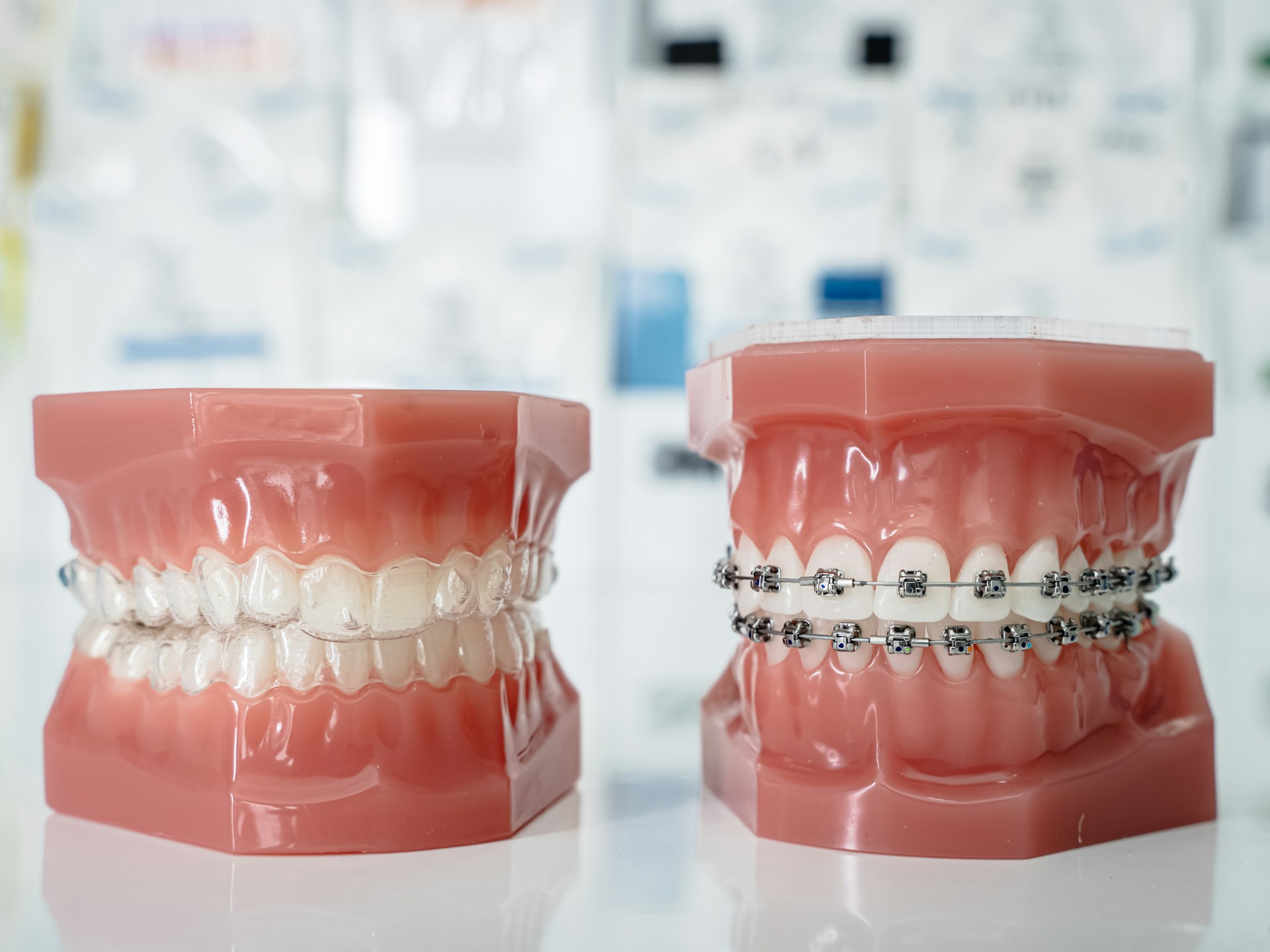
Choosing how to straighten your teeth is a major milestone for your long-term oral health and self-confidence. With advanced technology available today, the decision frequently comes down to comparing Invisalign vs. braces. Both methods are highly effective at aligning your smile, but they differ significantly in daily maintenance, appearance, treatment delivery, and suitability for different dental issues.
Understanding the key differences between these options helps you make an informed choice that balances your cosmetic goals with clinical reality.
Key differences between Invisalign and traditional braces

To properly evaluate Invisalign or braces, it helps to understand how each technology functions. While both systems gradually move teeth into their ideal positions, their mechanisms are entirely different. Ultimately, the most suitable choice depends heavily on how seamlessly a treatment fits into your daily routine and lifestyle.
How traditional dental braces straighten teeth
Traditional dental braces are a time-tested orthodontic treatment. Braces use metal brackets that are bonded directly to the front of each tooth. These brackets hold an archwire in place using small elastic bands, which are periodically adjusted to apply continuous pressure. Both general dentists and specialist orthodontists can provide orthodontic treatment, but more complex cases are typically best managed by a registered orthodontist with advanced training in bite correction and tooth movement.
Beyond standard traditional metal braces, patients can also opt for ceramic braces, which use clear brackets to blend in with natural tooth colour. Another alternative to traditional braces is lingual braces, which are fixed to the back of the teeth for complete discretion.
How Invisalign aligners correct dental issues
An Invisalign treatment uses clear, custom-made plastic trays called aligners. These Invisalign aligners are engineered using 3D digital impressions of your teeth to map out your entire treatment journey from start to finish. You swap them out for a new set every one to two weeks to continue shifting your teeth.
Unlike braces, which are fixed permanently for the duration of your care, clear aligners are completely removable. However, they must be worn for 20 to 22 hours per day to successfully straighten your teeth for effective tooth movement. While some treatment plans may allow minor variation, consistent daily wear remains essential for predictable results.
Braces: pros and cons for complex cases
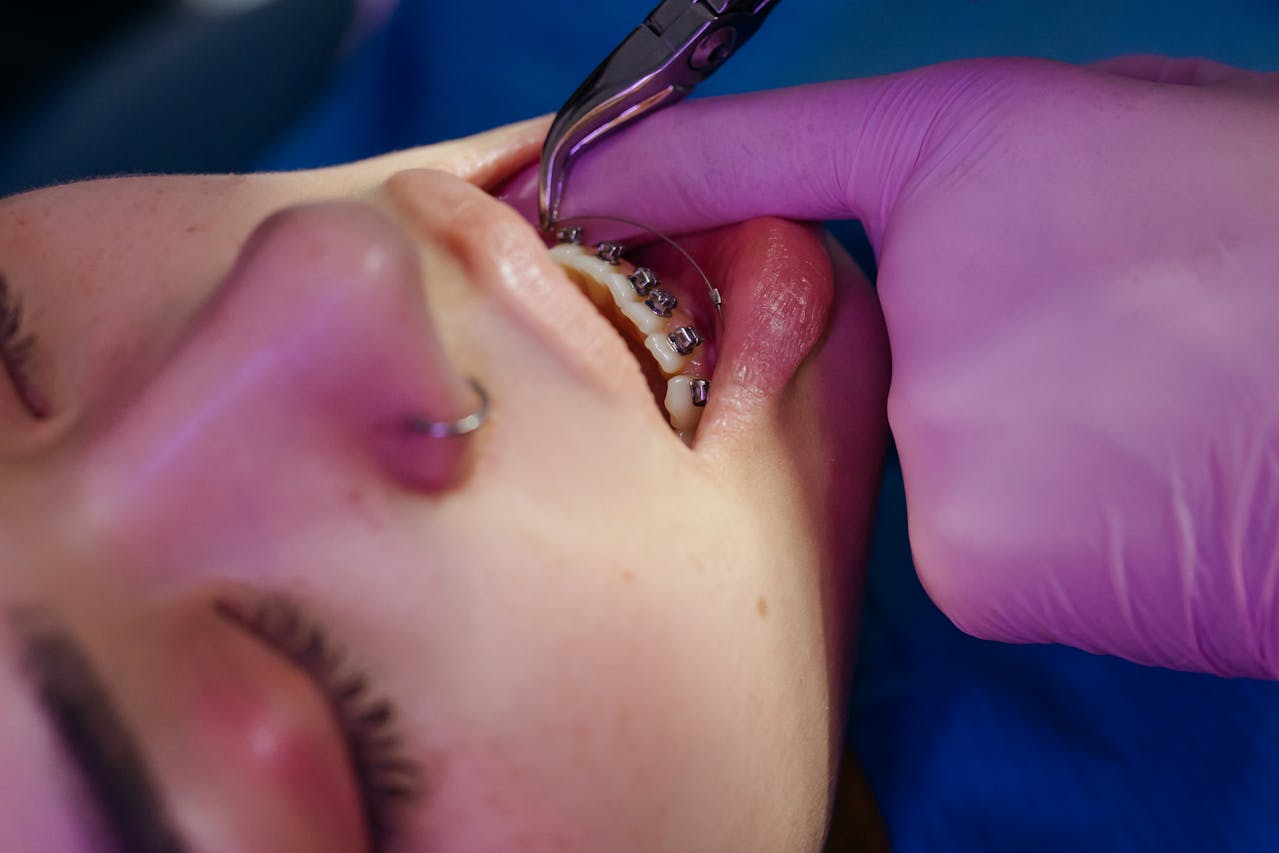
Reviewing the pros and cons of braces can help determine if fixed appliances suit your lifestyle. While they are highly reliable, wearing braces does come with distinct daily adjustments.
The structural advantages (Pros)
- Ideal for severe cases: Traditional braces remain an exceptionally reliable solution for treating severe structural issues. Because they are fixed to your teeth, they excel at correcting severe crowding, significant tooth rotations, and deep bite misalignments.
- Maximum control: Fixed braces traditionally provide a high level of control for complex tooth movements, although modern clear aligner systems can achieve comparable results in many cases when treatment is carefully planned.
- No compliance worries: Since braces are fixed, you do not have to worry about forgetting to wear them or losing an aligner, making them an excellent choice for younger patients.
The lifestyle disadvantages (Cons)
- Aesthetics: The most obvious drawback is aesthetics, as traditional metal braces are highly visible.
- Initial discomfort: Metal brackets and wires can irritate the delicate soft tissues inside your lips and cheeks. Individual biological pain thresholds vary greatly, meaning comfort levels change from patient to patient.
- Meticulous cleaning: Braces require extra care during daily oral hygiene. Food easily gets trapped in the hardware, making it time-consuming to brush and floss thoroughly after meals.
Invisalign: pros and cons of clear aligners
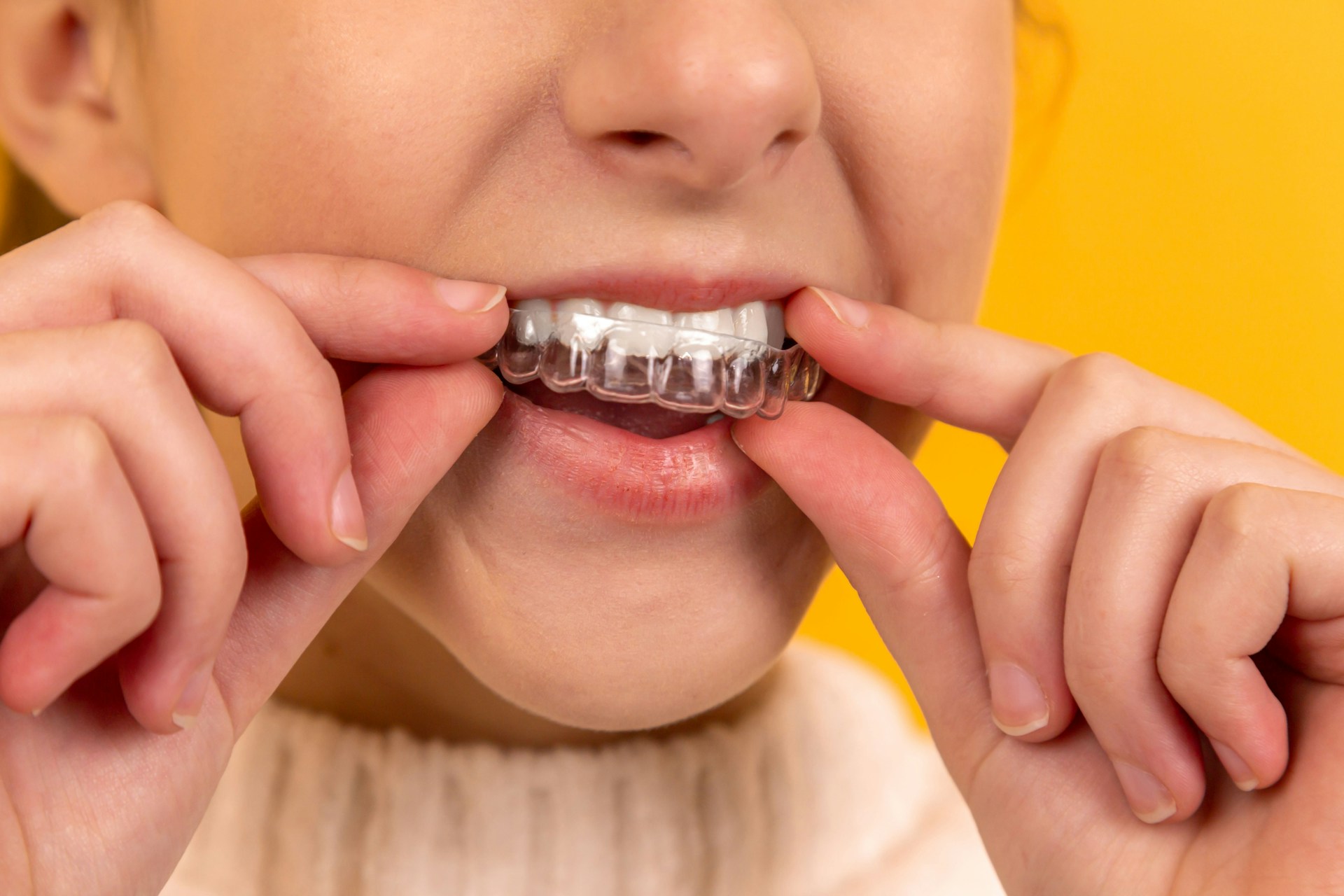
Comparing Invisalign and braces requires weighing the convenience of clear aligners against the self-discipline required to wear them successfully.
The cosmetic advantages (Pros)
- Nearly invisible: The primary appeal of Invisalign aligners is that they are highly discreet, making them an attractive alternative for adults and professionals.
- No dietary restrictions: Because they are removable, you can eat all your favourite foods without worrying about damaging brackets.
- Easy oral hygiene: Maintaining oral hygiene is much simpler. You just take the trays out to brush and floss normally, keeping your teeth and gums healthier throughout your treatment.
Compliance and routine (Cons)
- Strict discipline required: The biggest challenge of Invisalign is patient compliance. Because the trays are removable, the success of your treatment relies entirely on your discipline to keep them in for at least 20 to 22 hours a day.
- Water-only rule: It is clinically recommended not to consume anything other than plain water while wearing aligners. Hot, sugary, or coloured drinks may stain or warp the trays and can trap sugars against the teeth, increasing the risk of tooth decay.
Invisalign vs braces cost: what should you expect?
Financial investment is a primary factor when choosing between Invisalign and traditional options. Total costs vary widely depending on provider experience, geographical location, and the duration of your care.
Costs are indicative only and vary based on case complexity, provider experience, treatment duration, and location. Comprehensive Invisalign treatment may also be used for more complex cases and can exceed the ranges listed above.
Choosing between Invisalign and braces for your care
When analysing the differences between Invisalign and traditional options, the right answer depends heavily on your unique clinical needs and your day-to-day routine.
When braces may be the better treatment option
Braces may be the ideal solution if you have severe jaw misalignment, significant tooth rotation, or complex vertical spacing issues. They are also highly recommended for individuals who know they lack the discipline to wear removable aligners consistently every single day.
When Invisalign may be the ideal treatment option
Invisalign is commonly used for mild to moderate crowding or spacing, but modern aligner systems can also treat many complex orthodontic cases depending on the patient’s clinical needs and treatment planning. It is also an excellent fit for athletes involved in contact sports or anyone who does not want to adapt to the permanent dietary restrictions required by traditional dental braces.
To get an accurate assessment, schedule a consultation with an experienced dentist who can take 3D scans of your smile and recommend the most appropriate treatment path.
Making the right choice for your smile
At Optimal Dental Care, we understand that selecting an orthodontic treatment path is a personal decision impacting your daily routine and clinical results. Because no single system fits every smile, evaluating the unique alignment needs of your teeth ensures an effective journey.
Whether the continuous reliability of traditional fixed braces or the clear flexibility of Invisalign aligners fits your lifestyle best, our priority is providing objective clinical advice. Choosing your treatment involves a thorough dental assessment, and we are dedicated to offering the clear guidance required to help you achieve long-term oral health.
If you are ready to evaluate your alignment options with a professional assessment, you can reach out to schedule an individual consultation at our clinic:
- Location: 128 Glen Osmond Road, Parkside SA 5063
- Phone: (08) 8271 6322
Frequently asked questions
Can you eat normally with Invisalign clear aligners?
You can eat all your favourite foods with Invisalign because the plastic trays are completely removable before meals. However, you must take the aligners out for everything except plain water to prevent warping or staining. After eating, you must brush your teeth thoroughly before putting the trays back into your mouth.
Do clear aligners take longer than metal braces to straighten teeth?
Clear aligners do not necessarily take longer than traditional metal braces to straighten teeth, as overall speed depends primarily on underlying biological factors and overall case complexity. For mild to moderate crowding, clear aligners can achieve excellent results within 6 to 18 months. However, fixed appliances can sometimes offer better efficiency when dealing with highly advanced bite realignments. For comparison, traditional braces often take about 12 to 24 months, depending on the complexity of the case.
How often do you need dental checkups during Invisalign treatment?
Traditionally, patients visit their provider every 4 to 8 weeks, but some modern clinics use remote digital monitoring tools, which can allow in-person visits to be spaced further apart in suitable cases.
Is clear aligner treatment more painful than wearing traditional braces?
Clear aligners are often reported to cause less irritation than braces, although both treatments can cause temporary discomfort, especially after adjustments or when switching to a new tray.
Can teenagers get Invisalign instead of traditional metal braces?
Teenagers can successfully use Invisalign Teen aligners provided they have the maturity to wear the trays for the required 22 hours daily. This specialised teenage option includes built-in compliance indicators that change colour to show if the trays are being worn enough. If a teen is prone to losing items, fixed braces remain a safer choice.
What happens if you lose a single Invisalign aligner tray?
If you lose an aligner tray, you should contact your dental clinic immediately for professional guidance on your next steps. Your dentist will typically advise you to wear your previous tray or move forward to the next set early. Never leave your teeth without an appliance unless your provider advises otherwise, because teeth can begin to shift within days.
Does Australian private health insurance cover the cost of Invisalign?
Australian private health insurance can cover a portion of Invisalign costs if your policy includes premium extras or comprehensive orthodontic cover. The exact rebate varies significantly between health funds, usually paying out a lifetime limit between $1,000 and $3,000. It is best to request an itemised treatment quote to check your benefits.
Can adults over forty safely straighten their teeth with braces?
Adults over forty can often straighten their teeth safely with braces or aligners, provided their gums and supporting bone are healthy and stable based on a professional dental assessment. Orthodontic treatment can be effective at many ages to improve oral health, function, and smile aesthetics. Older adults frequently choose clear systems because they prefer a highly discreet, professional appearance.