

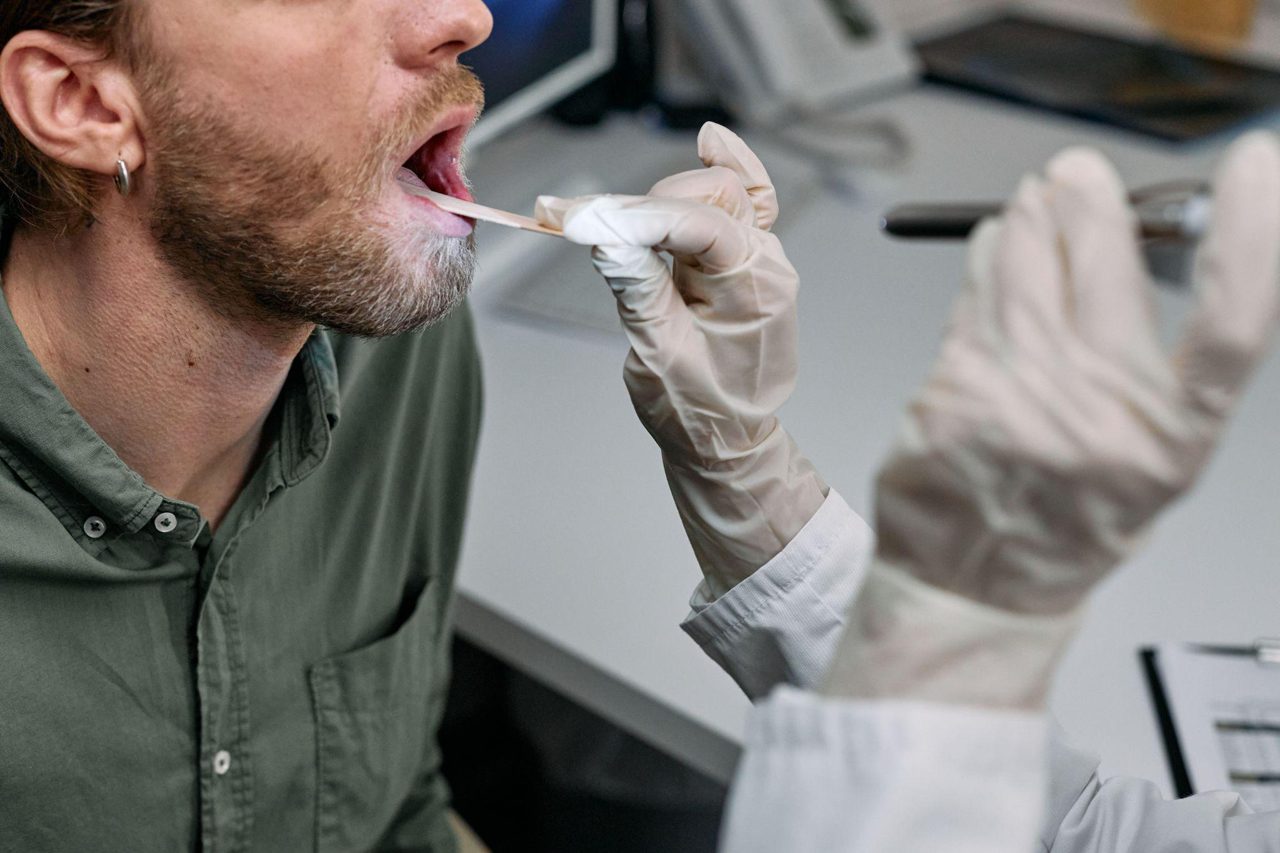
Oral cancer symptoms can include mouth sores that do not heal, red or white patches, unexplained lumps and difficulty chewing or swallowing. These changes can develop on the tongue, gums, lips or other tissues inside the mouth, sometimes without causing noticeable pain.
Recognising unusual changes early and having regular dental check-ups can help identify problems that require further investigation. Knowing which signs deserve attention, how screening works and when to seek professional advice can make a meaningful difference.
What are the early signs of oral cancer?
The early signs of oral cancer often involve subtle changes in the mouth that persist rather than heal. Some changes resemble common ulcers or irritation, making them easy to overlook without a closer examination.
Mouth ulcers or sores that do not heal
A persistent mouth ulcer is one of the more recognisable warning signs. Unlike minor sores caused by accidentally biting the cheek or eating something hot, a suspicious ulcer may remain open or gradually change in appearance.
An ulcer that has not healed within two weeks should be checked by a dentist or doctor, even if it causes little discomfort.
Red or white patches inside the mouth
Unexplained red, white or mixed-colour patches can appear on the tongue, gums, inner cheeks or roof of the mouth. Some are caused by harmless irritation or infections, while others may represent potentially precancerous changes.
Patches that persist, feel unusually thick or cannot be explained by an obvious cause should be professionally examined.
Unusual lumps or thickened tissue
A new lump, raised area or firm patch may develop along the tongue, inner cheek or lip. Some people also notice a swelling beneath the jaw or around the neck.
Not every lump indicates cancer, but unexplained growths or changes that continue to develop deserve attention.
Pain, numbness or difficulty eating
Other symptoms of oral cancer can affect everyday activities, including speaking, swallowing and eating. Persistent discomfort may develop in one area or be felt elsewhere in the face and neck.
Possible warning signs include:
- Pain or difficulty when trying to chew or swallow
- Unexplained bleeding or numbness in the mouth
- Loose teeth without an obvious dental cause
- Changes in speech or tongue movement
- Persistent earache or throat discomfort
- Dentures that suddenly become uncomfortable or stop fitting properly
These signs and symptoms can have several causes, including infection or injury. Their presence does not automatically indicate cancer, but persistent changes should be assessed.
Where can mouth cancer develop?
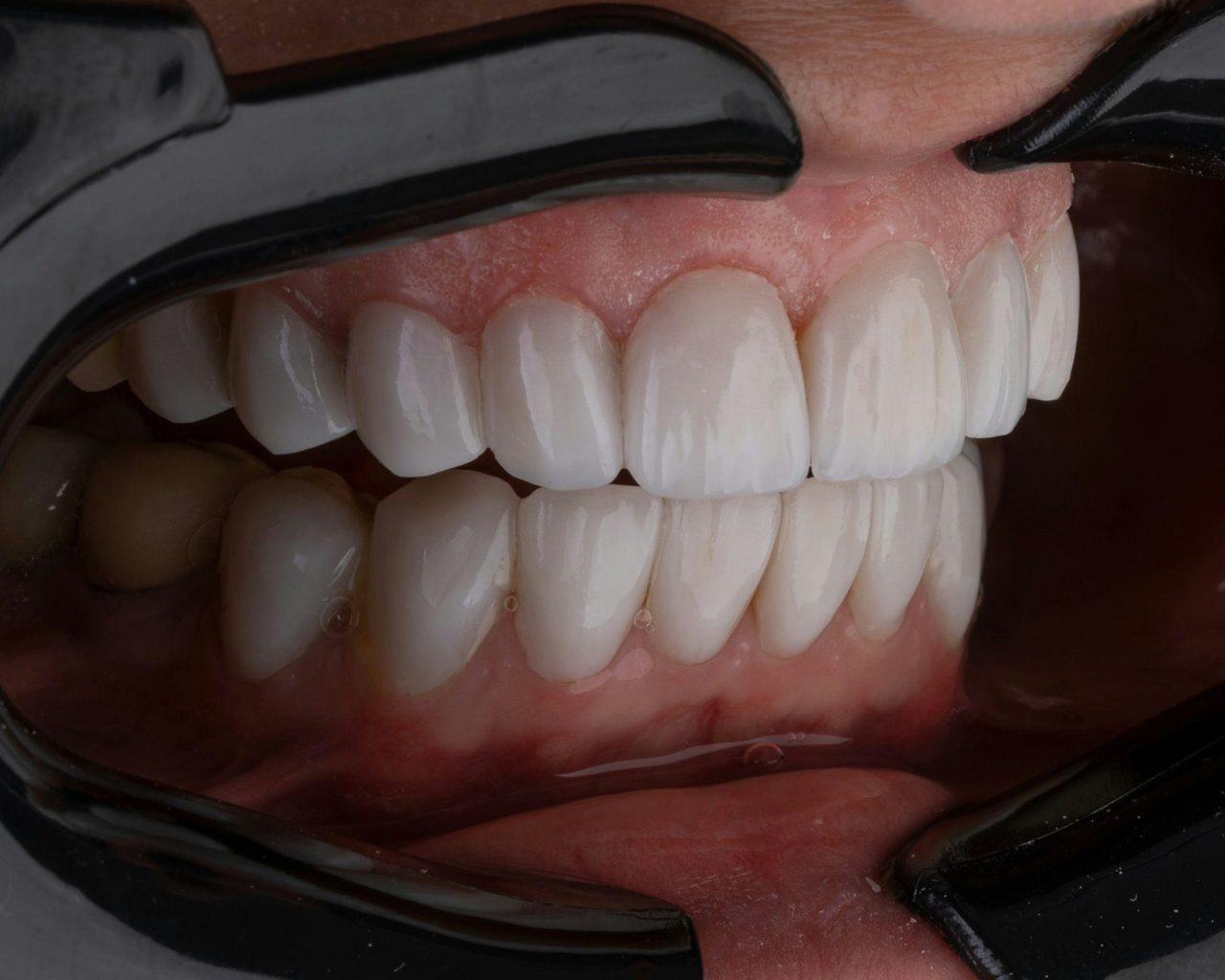
Mouth cancer can develop in several areas of the oral cavity, including the tongue, lips, gums, inner cheeks and the floor or roof of the mouth. An abnormality may look different depending on where it occurs.
Tongue, gums and inner cheeks
Oral cavity cancer can affect the sides or underside of the tongue, along with the soft tissues surrounding the teeth. Changes may appear as an ulcer, discoloured patch or thickened area.
Cancer of the oral cavity may also cause tenderness or unusual bleeding, although some affected areas remain painless during the early stage.
Lips and roof of the mouth
The lip is another possible location, particularly in areas exposed to sunlight. A persistent crusted area, sore or thickened patch on the lower lip warrants assessment.
Less commonly, suspicious changes develop on the palate or around the salivary glands.
Mouth and throat differences
Oral cancers belong to a broader group of head and neck cancer conditions, but not every cancer involving the mouth and throat begins in the same location.
Oropharyngeal cancer affects areas further back, including the tonsils and base of the tongue. Other head and neck cancers can involve the pharynx, nose and throat, or voice box (larynx), and may produce different symptoms.
What do stage 1 oral cancer symptoms look like?
Stage 1 oral cancer symptoms may be mild or absent, which means appearance alone cannot reliably identify the condition. A small, persistent ulcer or unusual patch may be the first visible change, although similar-looking problems can also be benign.
Why early-stage changes can be difficult to recognise
Early cancerous cells may develop without causing significant discomfort. Some people notice a slightly rough patch or sore, while others have no obvious symptoms.
Stage 1 generally describes a relatively small cancer without regional lymph node involvement or distant spread, but confirming the stage requires specialist assessment.
Can oral cancer symptoms pictures help?
Oral cancer symptoms pictures can help illustrate the range of suspicious changes, but photographs cannot confirm whether a lesion is cancerous.
Lighting, camera quality and natural differences in tissue colour can also make comparisons unreliable. A professional examination is more useful than deciding whether a spot looks similar to an online photograph.
How does a dentist check for signs of oral cancer?
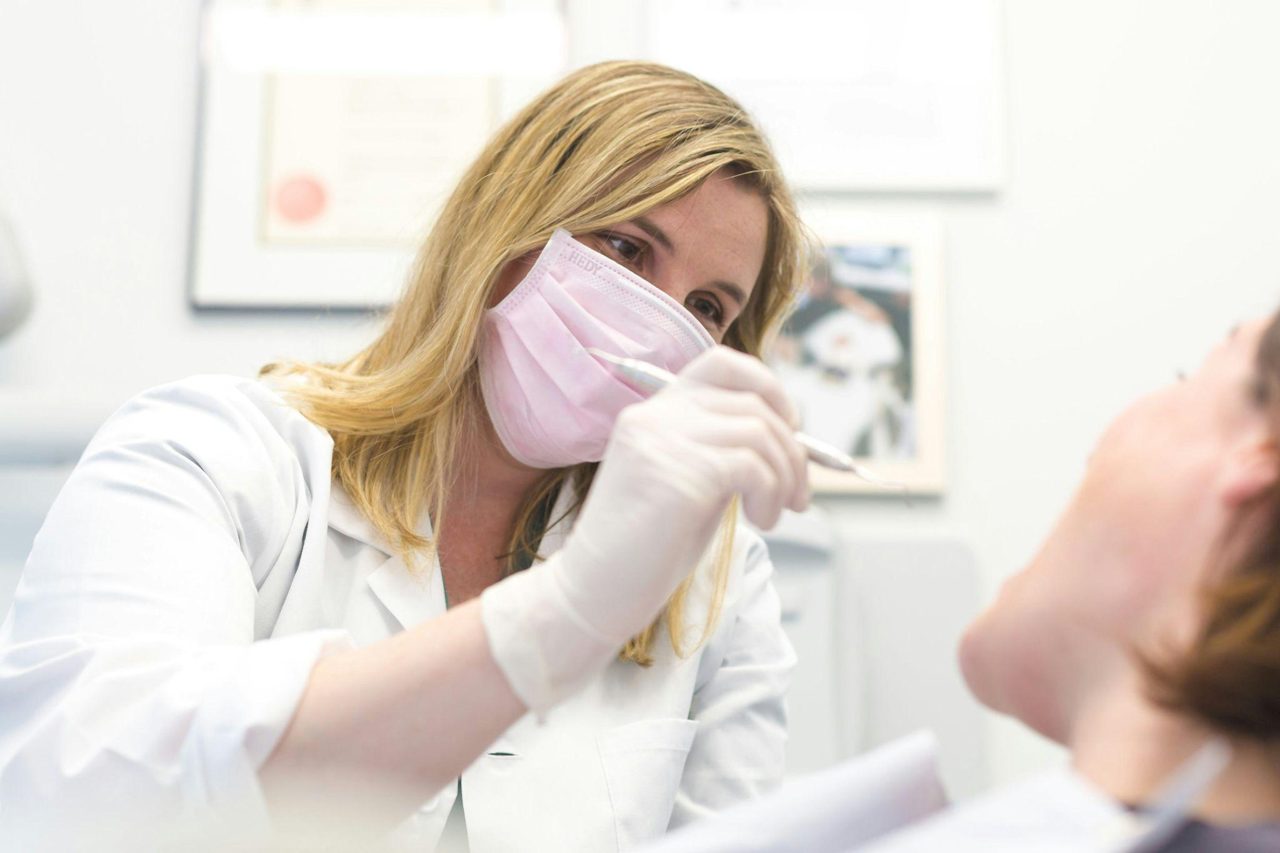
A dentist checks for signs of oral cancer by examining the soft tissues of the mouth and assessing any unusual changes. Oral cancer screening may be included as part of a routine examination or performed when a patient reports a persistent sore, patch or lump.
Visual and physical examination
A screening assessment generally involves looking at the tongue, gums, cheeks, palate and other visible oral tissues. The dentist may also feel the jaw and neck for unusual swelling or enlarged lymph nodes.
The examination considers the appearance, location and history of any suspicious area, including how long the change has been present.
What happens if something suspicious is found?
An unusual finding does not necessarily mean a cancer diagnosis. Depending on its appearance and clinical history, further review or referral to an appropriate specialist may be recommended.
A specialist may use imaging or a biopsy, where a tissue sample is examined for cancer cells. An endoscope to look further into the throat may also be appropriate in selected cases.
Detecting oral cancer early can support timely diagnosis and treatment, but a routine visual check cannot rule out every cancer.
When should a persistent mouth sore be examined?
A mouth sore that has not healed after 14 days should be professionally assessed, particularly if it is unexplained or accompanied by swelling, bleeding or a change in texture. Healthdirect lists a mouth ulcer that does not heal as a symptom to have checked by a doctor or dentist.
Changes that should not be ignored
A new sore caused by accidentally biting the cheek may improve as the tissue heals. However, a lesion that remains unchanged, becomes larger or repeatedly bleeds needs further assessment.
The same applies to persistent discolouration, unexplained numbness and swelling in the mouth or neck.
Choosing the right appointment
The appropriate appointment depends on whether the concern is a routine check, an unexplained change or an urgent problem.
A persistent or worsening change should not be left until the next routine check-up. Sudden breathing difficulty, uncontrolled bleeding or an inability to swallow fluids requires urgent emergency care. Call 000 or go to the nearest hospital emergency department.
What increases the risk of developing oral cancer?
Several risk factors can increase the likelihood of developing cancer in the mouth, particularly tobacco exposure, alcohol consumption and prolonged sun exposure to the lips. Having one or more risk factors does not mean that cancer will develop.
Tobacco and alcohol exposure
Smoking cigarettes, cigars or a pipe, along with using smokeless tobacco, increases oral cancer risk. Alcohol consumption is another recognised factor, and combined tobacco and alcohol exposure is particularly concerning.
Avoiding tobacco and limiting alcohol consumption can reduce risk, although neither measure guarantees prevention.
Sun exposure and HPV
Prolonged ultraviolet exposure can contribute to cancers affecting the lips. Protective lip products and sensible sun protection measures can help reduce exposure.
Human papillomavirus (HPV), particularly HPV16, is strongly associated with certain oropharyngeal cancers. These differ from cancers beginning in the front of the oral cavity.
Everyday habits and preventive care
Good oral hygiene supports overall mouth health but cannot fully prevent cancer. Brushing teeth twice daily, using floss where appropriate and maintaining regular dental check-ups remain useful habits.
A balanced diet and attention to persistent changes can complement preventive care. Even people with no obvious risk factors can develop cancer, so symptoms should never be dismissed solely because someone does not smoke or drink.
What happens after an oral cancer diagnosis?

An oral cancer diagnosis leads to further assessment to establish the cancer’s location, extent and appropriate treatment. Management is planned by a specialist team and depends on factors such as tumour size, nearby tissue involvement and whether the cancer has spread beyond its original site.
Surgery and specialist care
Surgery is a common main treatment for localised oral cancers. An oral and maxillofacial surgeon or another appropriately trained head and neck surgeon may remove the tumour and surrounding tissue.
More advanced disease can require extensive surgery or additional procedures involving affected lymph nodes.
Radiation and chemotherapy
Radiation therapy uses high-energy beams to kill cancer cells. Treatment uses carefully planned doses that target the affected area while aiming to limit damage to surrounding healthy tissues.
Chemotherapy may be recommended alongside radiation or as part of another treatment approach, depending on the diagnosis. Treatment options vary, and not every patient needs every type of cancer treatment.
Recovery and ongoing oral care
Diagnosis and treatment may affect eating, speech, swallowing and oral comfort. Some treatments also increase the likelihood of dry mouth, infections and tooth decay.
Regular follow-up care helps monitor healing and manage complications. Dental professionals can work with the wider healthcare team to support oral health during recovery.
Why regular screening and early attention matter
Persistent ulcers, unexplained patches and unusual lumps should never be dismissed simply because they are painless. Recognising suspicious changes and arranging timely assessment can support early detection, when treatment may be less complex.
At Optimal Dental Care, we focus on preventive dentistry, thorough examinations and practical advice that supports long-term oral health. Our team can assess concerns about unusual changes in the mouth and discuss whether further medical or specialist investigation is appropriate.
Frequently asked questions
What is oral cancer?
Oral cancer is a disease in which abnormal cells grow uncontrollably in tissues of the mouth, potentially forming a malignant tumour. Most cases are squamous cell carcinomas, which begin in the flat squamous cells lining the oral tissues. The disease can affect the tongue, gums, lips and other areas inside the mouth.
How long can oral cancer symptoms go unnoticed?
Oral cancer symptoms can go unnoticed during the early stages because some cancers develop without pain or obvious visible changes. There is no fixed period before symptoms appear, and progression varies between individuals. Any unexplained ulcer lasting longer than two weeks or persistent change in mouth tissue warrants professional assessment.
How can someone check for unusual changes in their mouth at home?
A basic self-check involves using a mirror and good lighting to inspect the lips, gums, tongue, inner cheeks and roof of the mouth. Persistent sores, unusual patches, swelling and unexplained lumps are changes worth reporting. Self-checking does not replace a professional examination, particularly because some areas are difficult to see.
Are mouth ulcers always a sign of cancer?
Most mouth ulcers are not caused by cancer and may result from minor injuries, infections or inflammatory conditions. Ordinary ulcers usually improve as the affected tissue heals. However, an ulcer that remains present after 14 days, repeatedly bleeds or develops unusual firmness should be assessed rather than assumed to be harmless.
Is oral cancer screening better than checking the mouth at home?
Professional oral cancer screening and home self-checking serve different purposes, but neither can definitively rule out cancer. A clinician can examine difficult-to-see areas, assess suspicious tissues and arrange further testing when indicated. Self-checking helps individuals recognise new changes between appointments, making the two approaches complementary rather than interchangeable.
Who should consider oral cancer screening?
Adults attending routine dental care can benefit from an examination of the mouth’s soft tissues, especially those with relevant risk factors or persistent changes. People who use tobacco, consume alcohol heavily or have previously experienced suspicious lesions may require closer attention. Screening frequency should reflect individual circumstances and clinical recommendations.
How much does an oral cancer screening cost in Australia?
The cost of an oral cancer screening in Australia depends on whether it is included in a standard dental examination or requires a separate consultation. Fees vary by clinic, and private health insurance may cover part of an eligible dental visit. Additional specialist investigations or diagnostic procedures can involve separate charges.
Can oral cancer spread to other parts of the body?
Oral cancer can spread beyond its original location, initially involving nearby tissues or lymph nodes in the neck. More advanced disease may affect distant parts of the body, including the lungs. The likelihood of spread depends on factors such as cancer stage and tumour characteristics, making appropriate assessment and treatment essential.