

Many people brush every day but still deal with cavities, bleeding gums, or plaque that keeps returning. The issue isn’t how often you brush, it’s the 40% of each tooth your toothbrush can’t reach. Food and plaque stay trapped between two teeth, harden into tartar, and irritate the gumline. That’s where flossing becomes essential.
But should you floss every day?
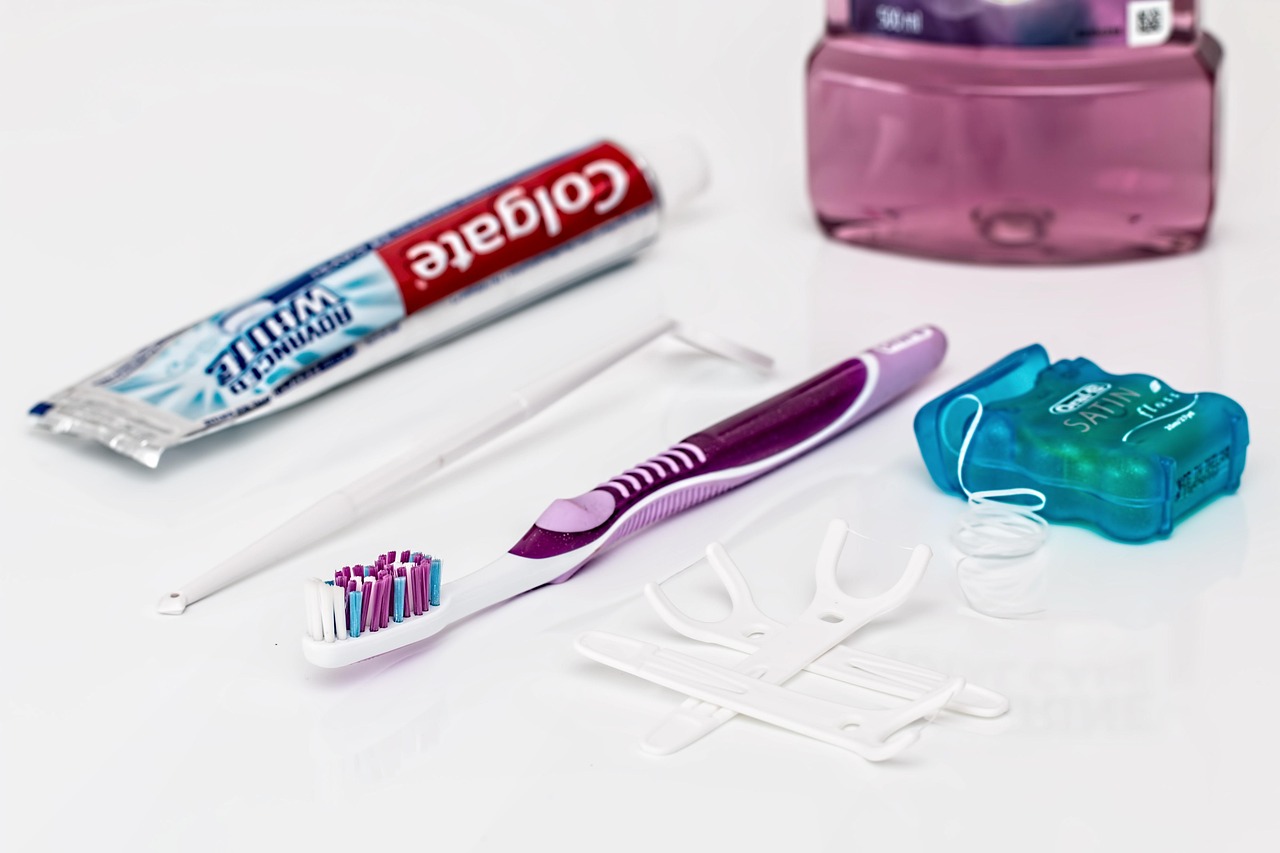
The short answer is that cleaning between your teeth every day is recommended, using floss or another interdental cleaner.
Daily flossing is recommended to keep your teeth clean and protect your gum health. Evidence confirms that flossing removes plaque and food from tight spaces your toothbrush can’t reach, reducing gingivitis and early gum disease.
The Australian Dental Association and international dental groups support daily interdental cleaning to lower the risk of cavities and inflammation. Brushing alone can’t reach between two teeth, but combining brushing and flossing improves oral hygiene, reduces gum bleeding, and helps you maintain strong teeth and healthy gums.
Why your toothbrush isn’t enough
Your toothbrush cannot fully clean the spaces between your teeth, where plaque and food particles can collect. These areas are harder to reach with brushing alone and can contribute to plaque buildup, tartar, gum irritation, and tooth decay. Cleaning between your teeth once a day with floss or another interdental cleaner helps remove debris and supports healthier gums and teeth.
Why you need to floss daily
Plaque is a sticky dental biofilm that forms when food and bacteria collect between two teeth and along the gumline. These areas are hard to reach with a toothbrush, so you need to floss to clean between your teeth and remove plaque early. If plaque stays in these interdental spaces, it can harden into tartar, which a toothbrush or floss cannot remove once it has formed.
Only a dentist or dental hygienist can clear tartar during a dental cleaning. As plaque and tartar irritate the gums, they become red, swollen, and may bleed, which signals gingivitis. Without regular flossing and proper oral hygiene, this inflammation progresses to periodontal disease, damaging bone and threatening your oral health.
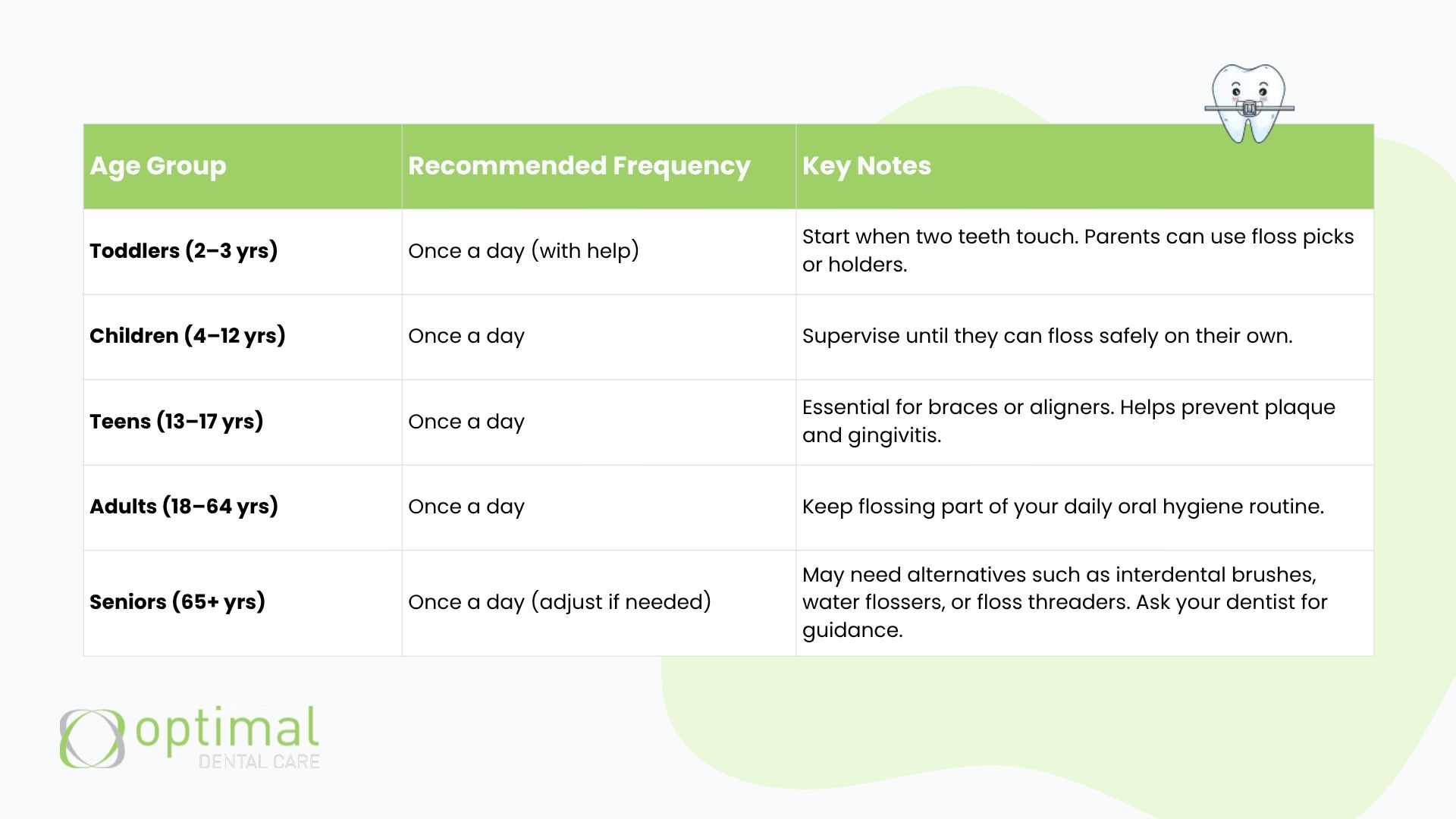
Recommended flossing frequency by age group
How to make daily flossing easy and consistent
Flossing becomes easier when it fits naturally into your oral hygiene routine. It’s best to floss before brushing your teeth, but either order works as long as you do it daily.
Keeping dental floss visible, linking it to triggers like brushing your teeth, and reducing friction with comfortable interdental tools supports consistency. Bleeding gums often improve with gentle technique and regular flossing, while avoiding snapping motions prevents damage and reduces sensitivity over time.
Your dental floss options
Different flossing tools help clean between your teeth in ways that suit your comfort and dental needs. Options like dental floss, interdental brushes, water flossers, and floss picks remove plaque differently. Finding the right interdental cleaner makes daily cleaning between teeth easier and more effective for your mouth.
Traditional string floss
String floss comes in waxed and unwaxed types. An 18-inch strand gives good control and lets you clean along the gumline safely. It is affordable, accessible, and works well for most people.
Water flossers
Water flossers are helpful for braces, implants, and bridges. They remove plaque with a water stream but work best alongside dental floss, not as a replacement.
Interdental brushes
Interdental brushes clean wider gaps between teeth. They work well for wider spaces between teeth, including areas with gum recession, and are often a good choice when spaces are too wide for string floss.
Floss picks and dental tape
Floss picks are convenient for travel or people with limited dexterity. Dental tape is broader and suits wider interdental spaces. Both help clean along the gumline when used gently.
Air flossers and apps
Air flossers offer portable interdental cleaning. Gamified apps add reminders and tracking to help you stay consistent with daily oral hygiene.
How to floss properly without hurting your gums
Use about 40-50cm of floss, wrap it around your fingers, and guide it gently between two teeth. Form a C-shape around each tooth and clean under the gumline with light up-and-down strokes.
Don’t snap floss into your gums or use heavy sawing motions. Clean gently below the gumline to remove plaque without irritation or bleeding.
Braces may need a floss threader or water flosser. Implants and bridges work well with special floss or interdental brushes. Tight spaces are
How to build a daily flossing routine
Create a personalised flossing plan
Assess your dental needs, such as gum disease risk, tight interdental spaces, or a history of decay. Choose the tool that suits you best, dental floss, interdental brushes, or a water flosser. Set small, realistic goals so daily flossing becomes part of your normal oral hygiene routine.
Make the habit stick long-term
Use simple rewards and positive reinforcement to stay motivated. Track your progress and celebrate small wins to keep the routine going. If your gums bleed often or flossing feels difficult, ask your dentist to check your technique and make sure you’re cleaning safely.
Keep up with regular dental check-ups
Professional dental cleaning removes tartar your toothbrush and floss can’t shift.Dental cleaning frequency depends on your individual risk factors, so some people need visits every six months, while others may need them more or less often based on their dentist’s advice, those with low cavity risk may need only annual reviews, while those with gum disease risk or other factors may need more frequent visits.
Our dentists at Optimal Dental Care can assess your needs and recommend the right schedule for you. We can also check your flossing technique, suggest better interdental tools, and personalise your routine as your needs change.
If you’d like personalised guidance with your oral hygiene routine, our team is here to help. Book a consultation at Optimal Dental Care:
- Location: 128 Glen Osmond Road, Parkside SA 5063
- Phone: (08) 8271 6322
Frequently asked questions
How often should you clean between your teeth?
You should clean between your teeth once a day to remove plaque and food particles that brushing may miss. This can be done with floss, interdental brushes, or another interdental cleaner depending on the space between your teeth.
What is the best tool for cleaning between teeth?
The best tool depends on your teeth, gums, and dental work. Floss usually works well for tight spaces, while interdental brushes are often better for wider gaps, gum recession, braces, or bridges.
Can bleeding gums mean you need to clean between your teeth more often?
Yes, bleeding gums can be a sign that plaque is building up between your teeth or along the gumline. If your gums keep bleeding, it may also mean your technique needs adjusting or that you should have a dentist check for gum disease.
Are interdental brushes better than floss?
Interdental brushes are often better for wider spaces, especially when gums have receded or when someone has braces, bridges, or implants. Floss is usually a better fit for tight contacts where a brush will not fit comfortably.
Can brushing alone remove all plaque?
No, brushing alone cannot fully clean every part of the mouth. It cleans the tooth surfaces well, but the spaces between teeth need a separate cleaning method to help remove plaque in those hard-to-reach areas.