

A tooth abscess can develop from something as simple as untreated tooth decay, and without proper treatment, it can spread far beyond your mouth. Knowing the signs and symptoms early gives you the best chance of saving your tooth and avoiding serious health complications.
What is a tooth abscess?
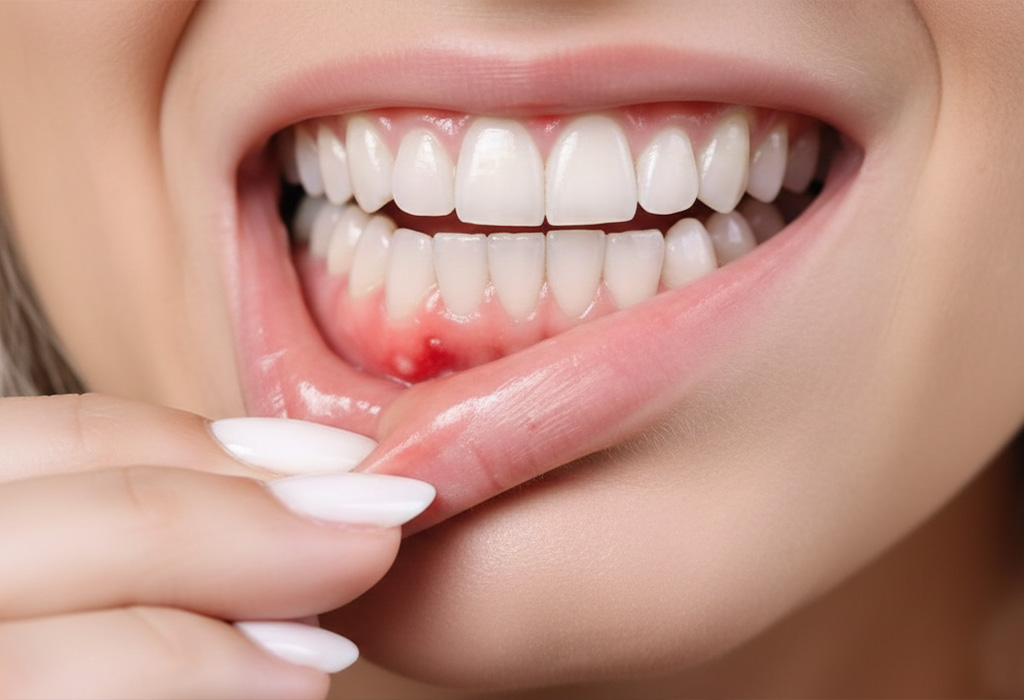
A tooth abscess is a pocket of pus caused by a bacterial infection inside the tooth. It develops when bacteria enter the tooth or surrounding tissues through untreated tooth decay, a crack in your tooth, or damaged gum, creating an infection the body cannot clear on its own.
There are three types of dental abscess, each named by location:
- Periapical abscess – at the tip of the tooth root
- Periodontal abscess – in the gum beside the root of a tooth
- Gingival abscess – on the gum surface, usually from a trapped foreign object
Tooth abscess symptoms to watch for

The signs and symptoms of a tooth abscess can range from mild discomfort to severe, throbbing dental pain. Recognising the symptoms of a dental abscess early means you can get treatment sooner and avoid serious complications.
Common dental abscess symptoms include:
- Persistent, throbbing tooth abscess pain that doesn’t ease
- Tooth abscess swelling in the gum, cheek, or jaw
- Sensitivity to hot and cold temperatures
- Pain when biting or chewing
- A pimple-like bump on the gum that may ooze pus
- Fever and feeling generally unwell
- Bad breath or an unpleasant taste in the mouth
If the pain suddenly disappears, don’t assume the infection is gone. An abscess does not reliably resolve on its own, the bacterial infection remains active and can continue to spread.
What causes a tooth abscess?
A tooth abscess happens when bacteria enter inside your tooth or surrounding gum tissue and multiply. The most common causes are untreated tooth decay, a crack or chip in the tooth surface, gum disease, poor dental hygiene, and a weakened immune system. Tooth decay or trauma are the most frequent triggers for developing a tooth abscess.
Stages of a tooth abscess
A tooth abscess develops gradually through distinct tooth abscess stages rather than appearing all at once.
Stage 1 – enamel decay – Bacteria begin breaking down the tooth enamel. There is often no pain at this stage, making it easy to miss without regular dental care.
Stage 2 – dentine decay – The infection moves deeper into the dentine. Mild tooth pain and sensitivity may begin to appear.
Stage 3 – pulp infection – Bacteria reach the inner pulp inside your tooth where the nerves sit. This is when persistent, throbbing tooth abscess pain typically starts.
Stage 4 – abscess formation – A periapical abscess occurs at the tip of the tooth root while a periodontal abscess forms in the gum around a tooth. Both cause visible tooth abscess swelling and intense pain. A wisdom tooth abscess often becomes noticeable at this stage.
Stage 5 – Spreading infection – The untreated abscess may spread to the jaw, face, and neck. At this point the tooth infection becomes a dental emergency that must be treated by a dentist as soon as possible.
How is a tooth abscess treated?

The treatment of a tooth abscess focuses on getting rid of the infection and relieving pain. Delaying treatment can lead to the infection spreading further, which may result in tooth loss or more complex dental procedures. Getting dental treatment sooner always leads to better outcomes.
At Optimal Dental Care, we take the time to explain every step of your treatment clearly before we begin, so you always know what to expect and never feel rushed or pressured.
Drainage – This involves draining the abscess through a small incision the dentist makes to remove the pus. It provides immediate relief from tooth abscess pain and pressure.
Root canal treatment – The infected pulp is removed from inside the tooth, the root canal is cleaned, and the tooth is sealed to save the infected tooth. Root canal treatment is the most common way to treat a tooth abscess and save your tooth.
Tooth extraction – If the tooth is too badly damaged to restore, tooth extraction becomes necessary. Your dentist will discuss options to restore your smile afterwards.
Tooth abscess antibiotics – You may need antibiotics when the infection has spread beyond your tooth or when you have a weakened immune system. Antibiotics help control the spread but cannot drain the abscess, further treatment is still required to get rid of the infection completely.
Can you treat a tooth abscess at home?
No tooth abscess home remedy can treat the infection or get dental care to the source of the problem. What home remedies can do is temporarily ease tooth abscess pain while you wait to be treated by a dentist.
Rinsing with warm salt water, taking over-the-counter pain relief such as ibuprofen, and applying a cold pack to the cheek may reduce discomfort and tooth abscess swelling short term. These measures do not treat the dental abscess, the bacterial infection will remain active until it is properly addressed.
If you are in severe pain or notice significant swelling, contact Optimal Dental Care as soon as possible rather than relying on home oral care alone. We offer emergency dental appointments and will always do our best to see you promptly.
Go to emergency immediately if you experience:
- Rapidly spreading tooth abscess swelling in the face or neck
- Difficulty swallowing or breathing
- High fever alongside severe tooth pain
- Feeling seriously unwell
These are signs the abscess may have spread beyond the tooth and into surrounding tissues, a medical emergency that cannot wait for a routine appointment.
If you’re unsure whether your situation is urgent, you can book a consultation with us:
- Location: 128 Glen Osmond Road, Parkside SA 5063
- Phone: (08) 8271 6322
How to prevent tooth abscesses
Tooth abscesses are largely preventable with consistent oral health habits. Brush twice daily with fluoride toothpaste to protect the tooth surface, floss every day to reduce the risk of gum disease, and visit your dentist regularly to maintain good dental health.
Addressing dental concerns early, such as tooth pain, sensitivity, or a crack in your tooth, stops minor issues from developing into a serious dental abscess that may lead to tooth loss. Untreated dental decay and poor oral hygiene remain the leading causes of abscessed teeth, so staying on top of your dental care is the most effective prevention.
Frequently asked questions
How long can you leave a tooth abscess untreated?
We strongly advise against leaving a tooth abscess untreated. It will not heal on its own and can spread beyond the tooth within days to weeks. Bacteria can move into the jaw, face, or neck and cause serious complications.
Can a tooth abscess go away on its own?
No, a tooth abscess will not go away on its own, even if the pain suddenly stops. The nerve may die and reduce the pain, but the bacterial infection can keep spreading into surrounding tissues. You still need dental treatment such as drainage, a root canal, or extraction to properly remove the source of infection.
When is a tooth abscess an emergency?
A tooth abscess becomes an emergency when you have facial swelling, trouble breathing or swallowing, a high fever, or feel seriously unwell. These signs suggest the infection has spread beyond the tooth and may be threatening your airway or overall health.
How do dentists treat a tooth abscess?
Dentists treat a tooth abscess by draining the pus and removing the source of infection, either by root canal or tooth extraction. Pain relief and, where needed, antibiotics are used to control symptoms and stop spread. We always aim for the least invasive option that safely clears the infection and preserves your tooth where possible.
Do I always need antibiotics for a tooth abscess?
Not always. Local dental treatment is the primary way to treat a tooth abscess. Antibiotics are usually reserved for cases where the infection has spread, a fever is present, or the immune system is compromised. We follow current prescribing guidelines and avoid unnecessary antibiotics to protect your health and reduce the risk of resistance.
Can I drain a tooth abscess at home?
No, you should never attempt to drain a tooth abscess at home. Squeezing or piercing the swelling can drive bacteria deeper and significantly worsen the infection, increasing the risk of serious complications in the face or neck. Instead, use temporary relief such as saltwater rinses or over-the-counter pain medication and contact us urgently for proper treatment.
How can I prevent a tooth abscess from coming back?
The best way to prevent another tooth abscess is through consistent daily oral hygiene and addressing dental concerns early. Brush twice daily with fluoride toothpaste, floss every day, and limit sugary foods to reduce the risk of decay and gum disease. We recommend regular six-monthly check-ups so we can spot cracks, cavities, or gum issues before they develop into an abscess.
Is a tooth abscess dangerous during pregnancy?
A tooth abscess can carry more risk during pregnancy, as untreated infection and severe pain may affect your general health and wellbeing. Most urgent dental treatments, including drainage and pregnancy-safe antibiotics, can still be provided with the appropriate care and precautions.