


Tooth sensitivity is a brief, sharp pain that can appear when a tooth meets something cold, hot, sweet, acidic, or even a toothbrush. It often develops when protective enamel wears down, or tissue recedes from the tooth, but sensitive teeth can also point to a cavity, crack, worn filling, or another dental problem.
The symptom is common enough to affect everyday eating and drinking. A 2019 systematic review and meta-analysis reported a best-estimate prevalence of dentin hypersensitivity of 11.5%, though individual studies varied widely (1.3%-92.1%) and the average across studies was about 33.5%.
The important point is that tooth sensitivity is a symptom rather than a diagnosis, so finding the cause is the first step towards lasting relief.
What is tooth sensitivity and what is behind the pain?
Tooth sensitivity usually describes a short, sharp pain caused by a specific trigger rather than a constant toothache. The Australian Dental Association notes that common triggers include hot or cold foods and drinks, cool air, and gentle touch.
Why do exposed areas hurt?
Enamel forms the hard outer layer of the crown, while the gum normally covers and protects the root surface. Beneath these protective layers is dentine, which contains microscopic tubules that connect towards the sensitive inner pulp of the tooth.
When enamel is worn away, or gum recession exposes part of the root, those tubules can react to temperature, touch, or certain foods. Fluid movement inside the tubules can stimulate nerves and produce the sudden pain associated with dentin hypersensitivity.
Is every sensitive tooth dentin hypersensitivity?
No. Sensitive teeth can feel similar even when a separate problem is responsible. Tooth decay, a cavity, cracked teeth, a worn filling, gum disease, or inflammation inside the tooth can all cause sensitivity.
That distinction matters because a desensitising product cannot repair structural damage. A dentist may need to rule out these problems before the symptom is treated as uncomplicated dentine hypersensitivity.
What causes sensitive teeth?
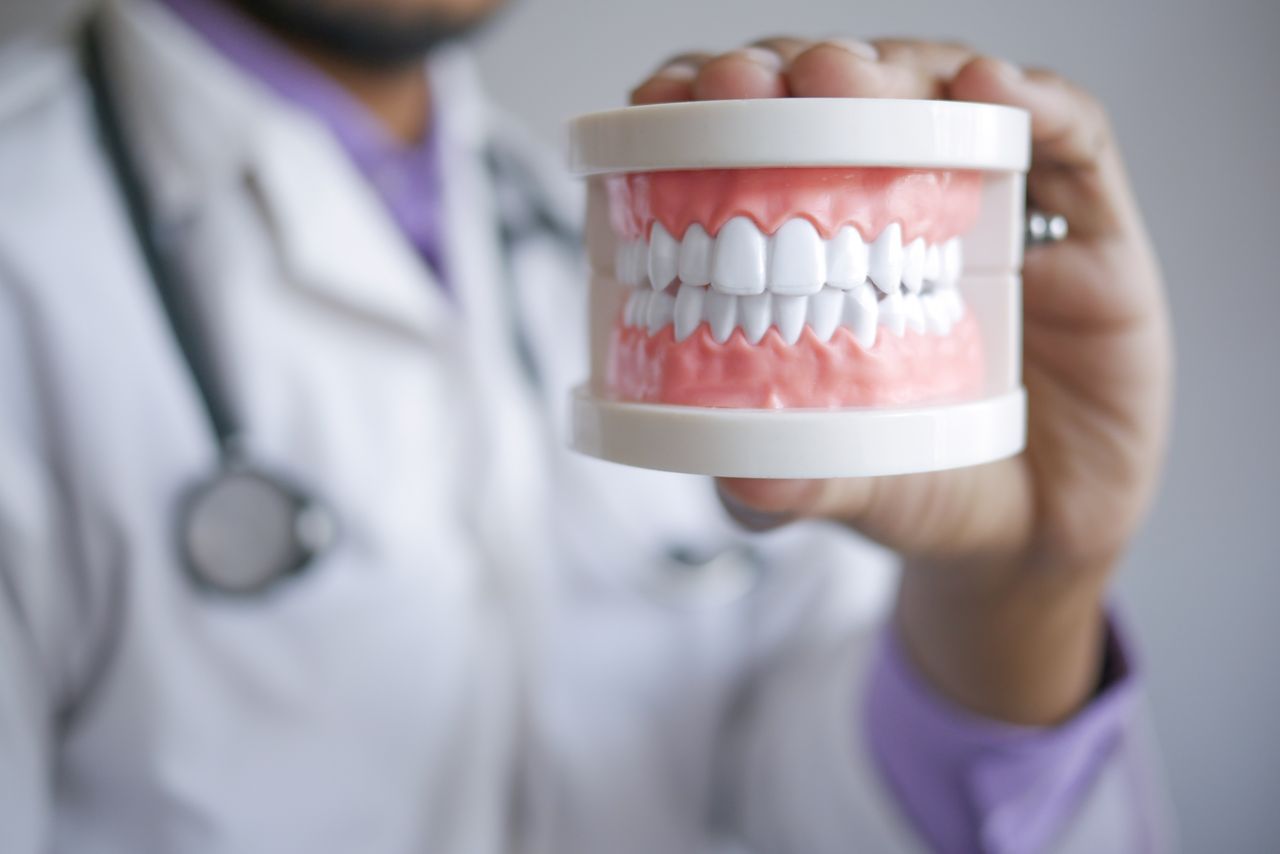
Several different changes can lead to tooth sensitivity, usually because a protective tooth surface has been lost or a local problem is affecting the tooth. The common causes include enamel erosion, gum recession, heavy brushing, grinding, a cavity, cracks, whitening, and temporary sensitivity after treatment.
Enamel erosion from acidic foods and drinks
Frequent exposure to acidic foods and drinks can erode tooth enamel over time. Soft drinks, sports drinks, citrus, wine, and similar items are more likely to contribute to erosion when they are consumed often.
Wait at least 30 minutes after acidic food or drink before brushing, giving saliva time to help the softened tooth surface recover. The Australian Dental Association advises waiting at least 60 minutes before brushing after vomiting, to protect enamel that has been softened by stomach acid.
Can acid reflux cause tooth sensitivity?
Acid reflux can contribute to tooth sensitivity because repeated exposure to stomach acid can gradually erode tooth enamel. As enamel becomes thinner, the dentine underneath has less protection and may react more strongly to cold, heat, sweet foods, or touch.
Frequent reflux or vomiting can therefore contribute to dental erosion even when acidic foods and drinks are limited. Managing the underlying reflux as well as protecting the teeth can help reduce further enamel damage.
Gum recession and root exposure
Receding gum tissue can uncover part of the tooth root that would normally sit below the gum line. Because the root does not have the same enamel covering as the crown, exposed tooth roots can react more readily to cold or touch.
Recession may occur alongside gum disease, changes over time, or heavy brushing. A dental examination can show whether the recession is stable and whether the root surface needs protection.
Cavities, cracks and worn fillings
A cavity can cause tooth sensitivity when damage progresses through enamel towards the more sensitive layers underneath. Cracked teeth and worn or leaking fillings can also allow temperature, sweetness, or pressure to reach areas that would normally be sealed.
Sudden pain in one tooth deserves particular attention. Treating the underlying problem is more useful than repeatedly trying to cover the symptom.
Tooth grinding and heavy brushing
Grinding or clenching can place repeated force on teeth and may contribute to wear, small cracks, or loss of structure near the gum line. A similar problem can develop when brushing technique places too much pressure on the tooth surface.
A soft-bristled toothbrush and gentle pressure are usually better choices for protecting teeth and gums. If tooth grinding is suspected, a dentist can check for wear patterns and discuss whether further management is needed.
Teeth whitening and recent treatment
Teeth whitening products can cause temporary sensitivity, particularly with peroxide-based formulas. People who whiten frequently or already have sensitive teeth may notice stronger reactions to cold after treatment.
Post-treatment sensitivity can also occur after procedures such as fillings or professional whitening. This discomfort is typically temporary and usually subsides within 1-3 days, though in some cases it can last up to a week. Pain that persists beyond a week, or intensifies, should be professionally evaluated.
Why are teeth sensitive to cold?

Teeth sensitive to cold often have dentine that is less protected by enamel or the gum. A rapid temperature change can move fluid inside open tubules, stimulate the nerve, and create a short, sharp response.
Cold sensitivity can affect several teeth when wear is widespread, or one tooth when there is a local problem such as a crack or damaged filling. Pain that lingers for more than about 20 to 30 seconds after the cold is removed can be more concerning than brief, trigger-related sensitivity. Spontaneous pain, night pain, or pain when biting should also be assessed by a dentist.
How to relieve sensitive teeth at home
Home care can help reduce sensitivity when exposed dentine, mild wear, or brushing habits are involved. It is less likely to solve symptoms caused by a cavity, crack, advanced gum problem, or another condition that needs professional treatment.
Choose toothpaste for sensitive teeth carefully
Desensitising toothpaste works mainly by reducing nerve response or creating a barrier over open tubules. The Australian Dental Association lists ingredients such as potassium nitrate, arginine, strontium chloride, stannous fluoride, calcium carbonate, and calcium sodium phosphosilicate in products made for sensitivity.
These products generally work through consistent use rather than as a permanent instant fix. A sensitivity product with fluoride can also help strengthen tooth enamel against acid attack and support everyday oral health.
No single sensitivity product is best for every cause. If symptoms do not improve with consistent use, a dentist can check whether another condition is present.
Brush gently and protect the tooth surface
Good oral hygiene remains important when teeth become sensitive. Brushing twice daily with an appropriate paste and using light pressure can help control plaque without adding unnecessary wear.
Brush gently around the gum margin rather than scrubbing aggressively. This approach helps protect the outer surface and sensitive areas that may already be exposed.
Reduce frequent acid exposure
Reducing the frequency of acidic foods can help slow further enamel loss. Water is a better everyday drink for tooth health, while high-acid drinks are best kept to mealtimes rather than sipped across the day.
After an acid-containing meal or drink, rinsing with plain water and delaying brushing can help protect softened enamel. Over time, this may help limit further wear and reduce sensitivity.
Pause whitening if sensitivity develops
Whitening can cause temporary discomfort, so product directions and whitening aftercare matter. Tooth bleaching should be paused when sensitivity is severe, persistent, or increasing.
A check-up is sensible before further whitening when there is existing recession, a damaged tooth, or significant sensitivity. Whitening will not correct those underlying problems.
How to stop sensitive teeth pain immediately
There is no home method that can safely and permanently stop sensitive teeth pain immediately when the cause is unknown. Short-term steps focus on removing the trigger, avoiding very hot or cold items, rinsing with lukewarm water, and keeping the area clean without aggressive brushing.
Standard over-the-counter pain relief may help some tooth pain when used according to the product directions and when medically appropriate, but it does not fix the cause. Queensland Health also warns against placing aspirin directly on the gum or aching tooth because it can burn soft tissue.
Severe spontaneous pain, facial swelling, fever, trauma, or difficulty swallowing or breathing needs urgent assessment. These symptoms are not typical of simple tooth sensitivity and should not be managed with home care alone.
What treatment options are available for tooth sensitivity?
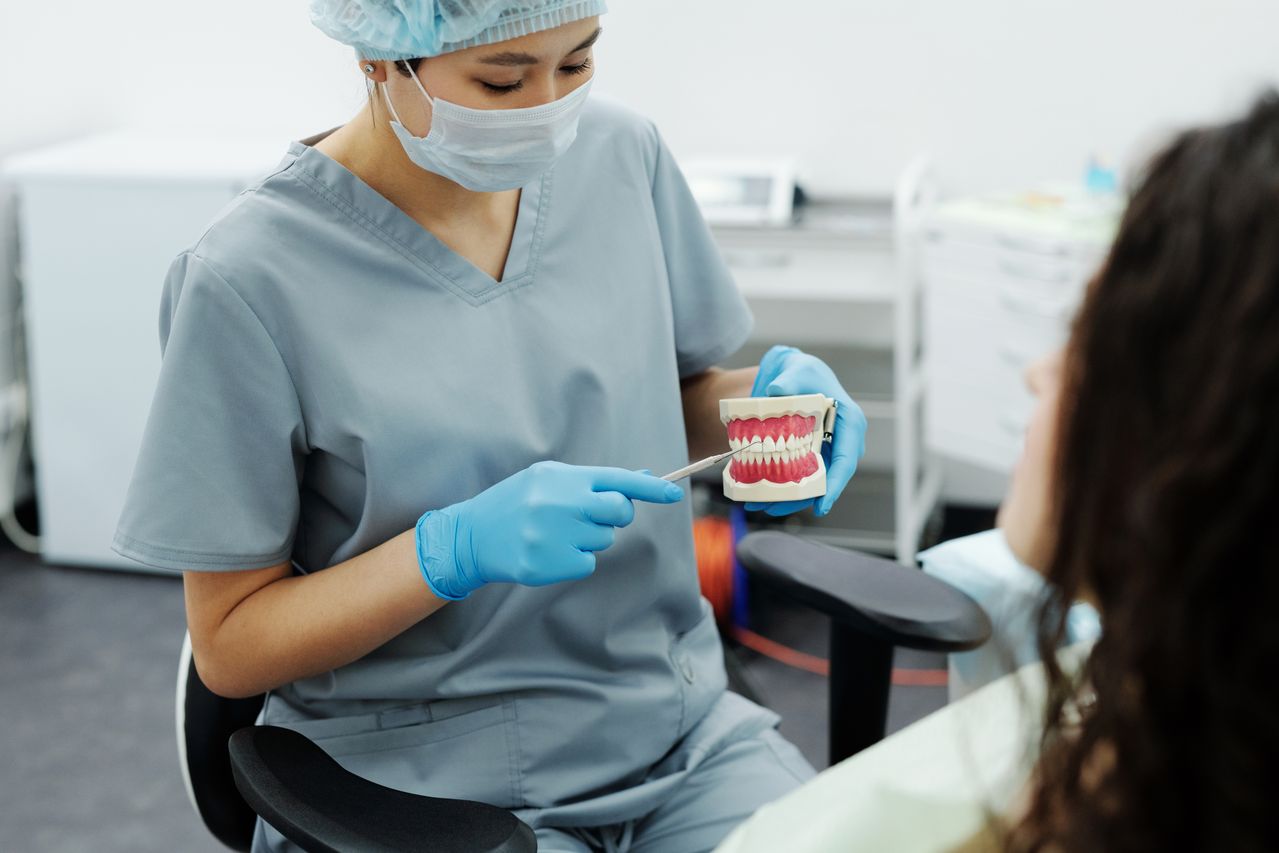
Professional care depends on why the tooth is sensitive. A dentist first checks the tooth surface, fillings, gum, bite, and other possible causes before recommending a treatment plan.
Fluoride and desensitising care
For uncomplicated dentine hypersensitivity, a clinician may use a professional desensitising agent to cover open tubules and reduce the response to triggers. These treatments are available when home products are not providing relief.
The aim is to protect the affected surface without doing more treatment than necessary. The most suitable option depends on the area involved and the cause of the sensitivity.
Repairing a damaged tooth
When decay, a worn filling, or a damaged surface is responsible, restorative care may be needed. Filling or bonding material can seal the affected area and stop stimuli from reaching sensitive layers.
A crack needs individual assessment because treatment depends on its location and depth. In some cases, a dental crown or another form of professional treatment may be considered to protect the remaining tooth structure.
Managing receding gums or grinding
When recession exposes a root, care may focus on stabilising gum health and protecting the area. Depending on the amount of recession, options can include bonding, protective agents, or periodontal care.
When bruxism is contributing to wear, the cause and pattern also need attention. A custom protective appliance may be considered in some cases, while existing damage may need separate treatment.
When should tooth sensitivity be checked by a dentist?
Sensitive teeth should be assessed when symptoms are persistent, severe, worsening, or localised to one tooth. These patterns can signal a problem that cannot be corrected with home care alone.
When sensitivity keeps returning
Sensitivity is persistent when it continues despite sensible home care or lasts beyond the expected period after a procedure. Significant sensitivity that interferes with eating, drinking, brushing, or sleep also warrants assessment.
A dentist can inspect the tooth and gum, test how the tooth responds, and use imaging when clinically indicated. This helps distinguish straightforward dentine hypersensitivity from conditions that require treatment.
When one tooth behaves differently
One tooth that suddenly reacts differently from the others may have a local problem. A crack, failing restoration, or irritation inside the tooth are possibilities that cannot be confirmed from symptoms alone.
Pain that lingers after cold is removed, starts without a trigger, or occurs with biting should not be ignored. Earlier assessment can identify the cause before symptoms become harder to manage.
When urgent care is needed
Facial swelling, fever, severe uncontrolled pain, trauma, or difficulty swallowing or breathing are not typical signs of ordinary sensitivity. They can indicate infection or another urgent problem.
Prompt professional care is appropriate when these symptoms are present. Home measures may provide temporary comfort, but they should not delay assessment.
Finding relief starts with identifying the cause
Effective solutions for managing tooth sensitivity depend on whether the problem is enamel wear, receding gum tissue, grinding, whitening, a damaged tooth, or another issue. Home care can help in some cases, while persistent or severe symptoms need a proper diagnosis.
At Optimal Dental Care, we assess the teeth and gums to identify the likely cause before discussing treatment options for sensitive teeth. We aim to explain the findings clearly, recommend care that fits the problem, and avoid unnecessary treatment.
Frequently asked questions
Can tooth sensitivity be a sign of a cavity or tooth abscess?
Yes, tooth sensitivity can sometimes be a sign of a cavity or tooth abscess, particularly when one tooth is affected. An abscess may also cause throbbing pain, swelling, fever, a bad taste, or pain when biting. Sensitivity with these symptoms should be assessed promptly because a dental abscess does not resolve on its own.
Can gum disease cause sensitive teeth?
Yes, gum disease can contribute to sensitive teeth when gum tissue pulls away from the teeth and exposes root surfaces. Gingivitis commonly causes red, swollen or bleeding gums, while more advanced periodontitis can damage the tissues supporting the teeth. Sensitivity alongside bleeding, recession or loose teeth warrants a dental assessment.
Can acid reflux make teeth sensitive?
Yes, acid reflux can contribute to tooth sensitivity because repeated exposure to stomach acid can erode protective tooth enamel. As enamel becomes thinner, the underlying dentine may be more easily stimulated by cold, heat or touch. Managing reflux medically and protecting the teeth from further acid exposure can help limit additional damage.
Why do teeth hurt when eating sweet foods?
Teeth may hurt when eating sweet foods if exposed dentine or tooth decay allows the stimulus to reach sensitive areas of the tooth. Sensitivity to sweet or cold foods can serve as an early warning sign of decay. Because repeated discomfort from sweets is rarely harmless, it should be evaluated by a professional rather than ignored.
Does mouthwash help with sensitive teeth?
Fluoride mouthwash can help protect enamel and support remineralisation, which may be useful when sensitivity is associated with acid-related enamel erosion, but it will not correct every cause of sensitivity. Because persistent sensitivity can stem from decay, compromised fillings, or other underlying dental issues, it still requires professional assessment.
Can sinus problems feel like tooth sensitivity?
Yes, sinusitis can sometimes make the upper teeth feel sore or sensitive even when the teeth are not the source of the problem. Inflammation and pressure in the sinuses can produce discomfort that spreads into the teeth. Tooth discomfort accompanied by nasal congestion, facial pressure or reduced smell may therefore have a sinus-related cause.
Does tooth sensitivity mean a root canal is needed?
Tooth sensitivity does not automatically mean root canal treatment is needed, but certain pain patterns can indicate damage or disease inside the tooth. Spontaneous pain, lingering sensitivity to hot or cold, pain when biting, swelling or pus can involve the dental pulp. A dentist must assess the tooth before determining whether root canal treatment is appropriate.
Can pregnancy make teeth more sensitive?
Pregnancy can indirectly increase the likelihood of tooth sensitivity. Hormonal changes can affect the gums and other oral tissues, while vomiting or acid reflux can expose enamel to stomach acid and contribute to erosion. Maintaining good oral hygiene and regular dental care can help protect the teeth and gums throughout pregnancy.