

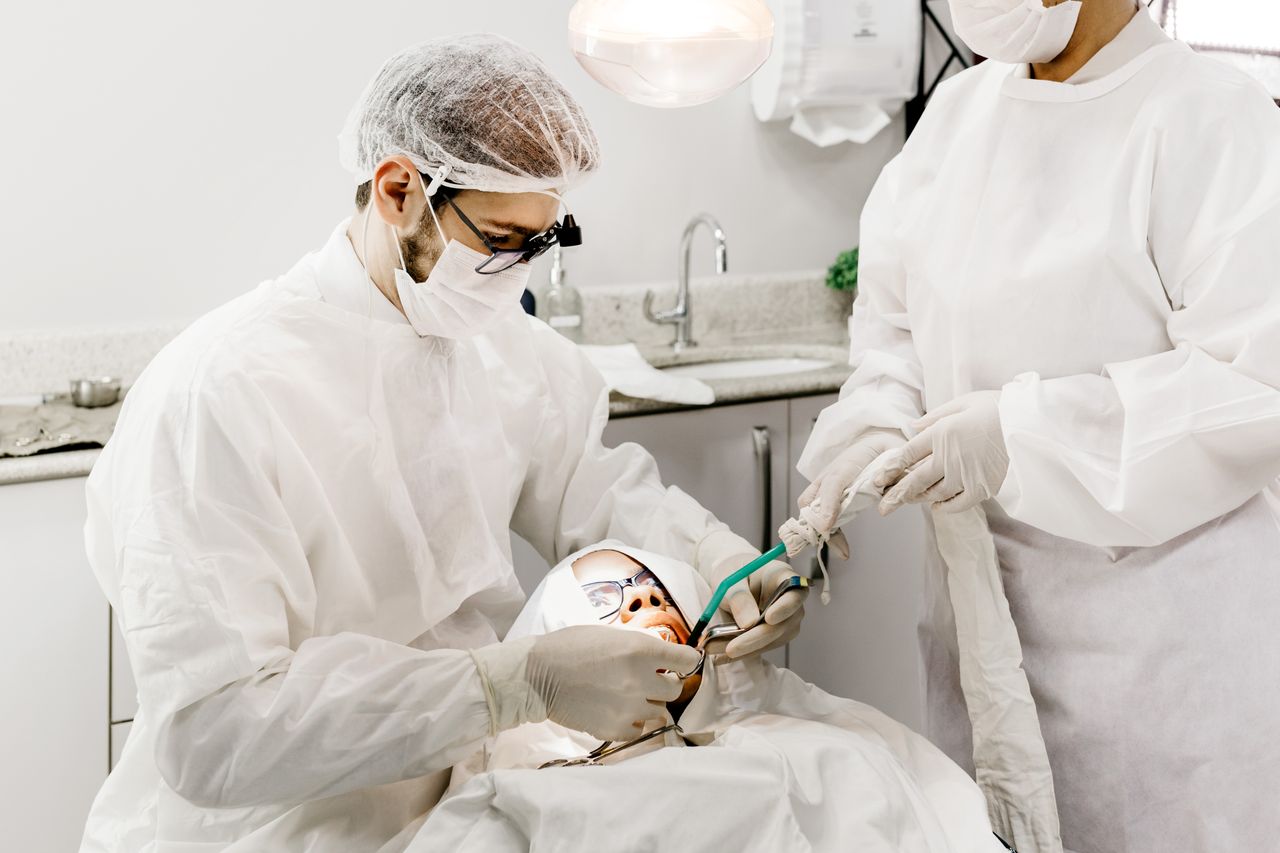
Are you experiencing a dental emergency? When pain, trauma, or unexpected bleeding strikes, knowing exactly how to respond is vital. A dental emergency is any condition that needs urgent care to relieve severe pain, control bleeding, treat infection, or address trauma before the problem worsens.
Not every urgent case carries the same level of risk. Public dental services typically triage patients by severity, so acting promptly and seeking advice early is the best way to prevent long-term complications and protect your natural teeth.
What defines a dental emergency?
Not every toothache requires immediate care, but some symptoms are clear indicators of a crisis. You should seek urgent dental care if you are experiencing severe facial swelling, persistent bleeding, or intense pain that does not subside with over-the-counter medication. Facial swelling is especially urgent when it comes with fever, spreading infection, or difficulty swallowing. If you have difficulty breathing or swallowing, this is a medical emergency.
Common signs you need urgent dental treatment
While some issues can wait for a standard appointment, the following situations typically require same-day attention from an emergency dentist:
- Knocked-out adult teeth: If a permanent tooth is knocked out, time is critical. The sooner you seek emergency dental care, the better the outcome.
- Severe dental abscesses: A painful, pimple-like swelling on the gum or significant facial swelling can indicate a serious infection.
- Trauma to the mouth: Significant damage from an accident, such as a fractured jaw, facial swelling, or deep soft tissue laceration, requires immediate assessment.
- Persistent bleeding: If bleeding from a tooth socket or gum injury does not stop after 10 to 20 minutes of firm, continuous pressure with gauze or a clean cloth, seek professional help.
When to call 000 or go to the emergency department
Some symptoms need immediate medical attention rather than dental care. Call 000 or go to your nearest hospital emergency department if you have difficulty breathing or swallowing, bleeding that will not stop with firm pressure, a suspected broken jaw, or facial trauma involving loss of consciousness. Hospital staff can manage these medical emergencies, but they generally do not provide definitive dental treatment, so you will still need to see a dentist once you are stable.
Immediate first aid for dental trauma

If you find yourself in the middle of an accident, staying calm and following basic dental first aid steps can significantly improve the outcome.
How to manage a knocked-out tooth
If a permanent adult tooth is knocked out, hold it by the crown only, never the root, and avoid scrubbing or wiping it clean even if it looks dirty. If it needs rinsing, use milk or saline for a few seconds, then gently reinsert it into the socket if possible and secure it by biting down on gauze or a clean cloth. If you cannot reinsert it, keep the tooth moist in milk, saline, or a tooth-preservation kit while getting urgent dental care. If none of these are available, use water only as a last resort and seek dental care immediately.
Note: Never replant a knocked-out baby (primary) tooth. Instead, see a dentist to check for any associated injury or retained fragments.
Relieving dental pain and facial swelling
For a suspected infection, rinse your mouth with warm salt water to help keep the area clean. If you are experiencing facial swelling, apply a cold compress to your cheek to reduce discomfort. These steps can help manage symptoms while you arrange care, but they are supportive only and do not treat an underlying infection or replace dental treatment. If you are taking pain relief, follow the directions on the packaging or your clinician’s advice, and avoid placing aspirin directly on the gum or tooth.
Emergency dental vs. routine dental care
Knowing the difference between an emergency and a routine concern is vital. This guide helps you identify when to seek immediate attention and when a standard appointment is the best course of action.
Timings above are general guidance only. Your dentist will assess urgency based on your specific symptoms. Even if the ideal window for a knocked-out tooth has passed, keep it moist and seek dental care immediately, as replantation can still succeed. The routine check-up listed above is preventive care rather than an emergency, included here for comparison.
How to access emergency dental services in Australia
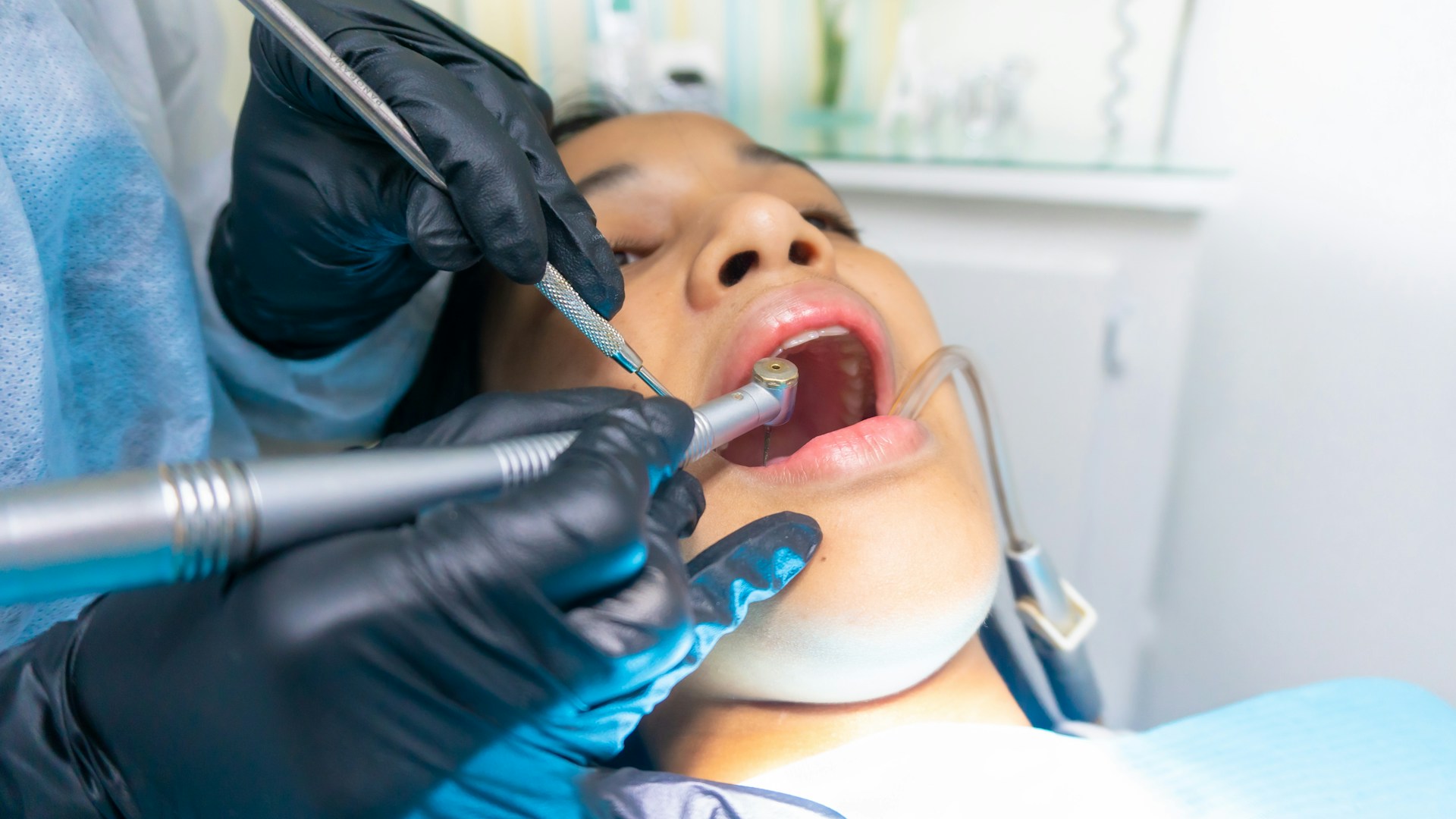
When a dental emergency strikes, delaying treatment can lead to more extensive and costly procedures. Many clinics offer urgent appointments, although availability varies by location. If you suspect an infection, antibiotics may be prescribed in some cases to help control the infection, but they do not fix the underlying cause. Definitive dental treatment, such as drainage, root canal treatment, or extraction, is usually still needed.
If you are in Australia, public emergency dental services are provided through state and territory systems, so eligibility, opening hours, and triage processes vary by location. Access may depend on concession status, age, residency, or priority groups such as children, pensioners, or people with urgent clinical need. Check your state or territory health department for current eligibility requirements and local emergency dental procedures.
This article is general information only and is not a substitute for professional dental or medical advice. If you are experiencing a dental emergency, contact a dentist as soon as possible. For a medical emergency such as difficulty breathing or uncontrolled bleeding, call 000.
Getting urgent professional care
At Optimal Dental Care, we understand that dental emergencies are rarely planned and are often stressful. Our team is committed to providing clear, compassionate guidance when you need it most.
Whether you are dealing with a sudden toothache or need help following a recent injury, we focus on identifying the underlying cause and delivering effective, prompt treatment to restore your comfort.
If you are unsure whether your situation requires urgent attention, contact us for professional dental advice so we can recommend the most appropriate next steps for your smile.
Location: 128 Glen Osmond Road, Parkside SA 5063
Phone: (08) 8271 6322
Frequently asked questions
Is a severe toothache considered a dental emergency?
A severe toothache may require urgent attention, particularly if it prevents you from sleeping or carrying out everyday activities. It becomes more serious if swelling, fever, trauma, or difficulty opening the mouth accompanies it. Seek prompt dental care to identify and treat the underlying cause before it worsens.
Can I go to the hospital emergency department for a toothache?
Visit a hospital emergency department if you have life-threatening symptoms or major facial trauma, such as difficulty breathing, difficulty swallowing, a broken jaw, severe facial swelling, or uncontrolled bleeding. While hospital staff can manage serious medical complications, definitive dental treatment is usually provided by a dentist or dental service.
How long do I have to save a knocked-out adult tooth?
The best chance of successfully saving a knocked-out adult tooth is when it is replanted as soon as possible, ideally within 15 to 60 minutes. Even if more time has passed, keep the tooth moist and seek emergency dental care immediately, as successful outcomes may still be possible.
What should I do if a dental filling falls out?
Contact your dentist to arrange an appointment as soon as possible. In the meantime, avoid chewing on the affected side of your mouth to prevent further damage to the exposed tooth. You may also use temporary dental cement from a pharmacy to protect the area until you receive professional treatment.
How can I manage dental pain while waiting for an appointment?
Take pain relief exactly as directed on the packaging or by your clinician, unless advised otherwise. Keep your head elevated to help reduce pressure and gently rinse your mouth with warm salt water. Avoid hot, cold, or sugary foods that may trigger additional sensitivity.
Is facial swelling after a tooth extraction normal?
Some mild swelling is common for up to 48 hours after a tooth extraction. However, worsening swelling, heat, pus, increasing pain, fever, or a foul taste can signal infection. Contact your dental team immediately if these occur.
Why shouldn’t I put aspirin on a toothache?
Placing aspirin directly on the gum or tooth can cause a chemical burn to the surrounding soft tissue. Instead, take pain relief by mouth exactly as directed on the packaging or by your clinician, and never place aspirin directly against the affected area.
Are there government-funded emergency dental services in Australia?
Yes. Public emergency dental services are available across Australia, although eligibility, coverage, and opening hours vary between states and territories. Contact your state or territory health department to confirm your eligibility and locate public dental clinics that provide emergency triage and manage waiting lists.